Lemon Blueberry Sourdough Bread-Easy Recipe
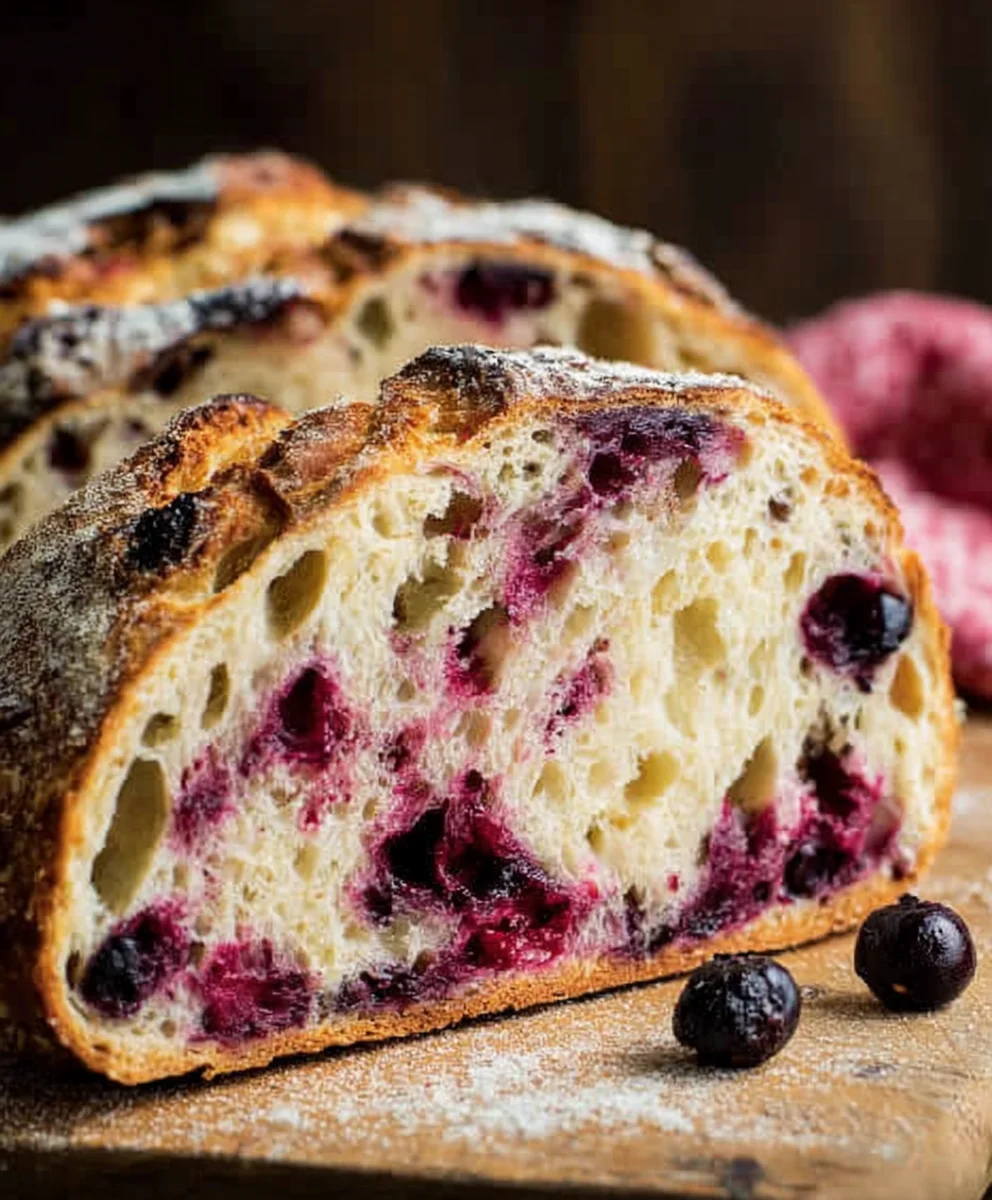
Lemon Blueberry Sourdough Bread Recipe, a symphony of tangy citrus and sweet berries nestled within a perfectly crusted, tangy sourdough loaf, is a true delight for the senses. Imagin extracte the gentle hum of your starter, the fragrant zest of fresh lemons, and the plump burst of juicy blueberries coming together to create something truly magical. This isn’t just any bread; it’s an experience. People adore this particular creation because it strikes that exquisite balance between the robust, complex flavor of sourdough and the bright, comforting notes of lemon and blueberry. What truly sets this Lemon Blueberry Sourdough Bread Recipe apart is the way the sourdough starter not only provides that characteristic chew and tang but also enhances the natural sweetness of the blueberries, creating layers of flavor that develop beautifully with every bite. It’s the perfect treat for breakfast, brunch, or an afternoon snack, and it’s guaranteed to impress everyone who has the pleasure of tasting it.
Ingredients:
- 50g active sourdough starter
- 350g water
- 500g bread flour
- 11g salt
- 150g fresh blueberries
- zest of one lemon
- 8 Tablespoons butter, room temperature (113g)
- 1/2 cup fresh blueberries, mashed (75g)
- 2 Tablespoons honey (45g)
- a pinch of salt
Preparing the Dough
Step 1: Autolyse and Levain Mix
Begin extract by combining the 350g of water with your 50g of active sourdough starter in a large mixing bowl. Give this a gentle whisk to ensure the starter is mostly dispersed. Next, add the 500g of bread flour to the bowl. Using your hands or a dough whisk, mix everything until just combined. There shouldn’t be any dry pockets of flour. This initial mix is called the autolyse, and it allows the flour to start hydrating, which helps develop gluten more easily later on. Don’t worry if it looks shaggy; that’s perfectly normal. Cover the bowl with a damp kitchen towel or plastic wrap and let it rest for at least 30 minutes, or up to an hour. This resting period is crucial for gluten development and making the dough more pliable.
Step 2: Incorporating Salt and Initial Kneading
After the autolyse period, it’s time to add the 11g of salt. Sprinkle the salt evenly over the surface of the dough. Now, we’ll start developing the gluten structure. You can do this using the “slap and fold” method or by simply pinching and folding the dough within the bowl. Continue this process for about 5-7 minutes, or until the salt is fully incorporated and the dough starts to feel a bit smoother and more cohesive. It will still be quite sticky, and that’s okay. You’re not looking for a perfectly smooth dough at this stage, just a good initial mix and gluten development.
Bulk Fermentation and Additions
Step 3: Bulk Fermentation with Folds and Flavor Infusion
Cover the bowl again and let the dough rest for about 30 minutes. After this rest, gin extractll begin a series of “stretch and folds.” To perform a stretch and fold, wet your hands slightly to prevent sticking. Reach under one side of the dough, gently stretch it upwards, and fold it over to the opposite side of the bowl. Rotate the bowl and repeat this process for all four sides of the dough. Perform about 3-4 sets of these stretch and folds, with a 30-minute rest in between each set. This gentle manipulation builds strength and structure in the dough. During the last stretch and fold set, gently incorporate the zest of one lemon into the dough. Spread the zest evenly and then perform your final stretch and folds to distribute it throughout.
Step 4: Adding Blueberries and Final Bulk Fermentation
Once you’ve finished the stretch and folds with the lemon zest, let the dough rest for another 30 minutes. Now it’s time to add the 150g of fresh blueberries. Gently scatter them over the surface of the dough. Perform one final set of stretch and folds, this time being careful not to burst too many of the blueberries. The goal is to gently distribute them throughout the dough. After this final set of folds, cover the bowl and let the dough undergo its bulk fermentation. This can take anywhere from 3 to 6 hours, depending on the temperature of your kitchen. You’re looking for the dough to increase in volume by about 50-75% and to appear bubbly and alive.
Shaping and Baking
Step 5: Shaping and Cold Retardation
Once bulk fermentation is complete, gently turn the dough out onto a lightly floured surface. Be careful not to degas it too much. Shape the dough into your desired loaf shape. You can do this by gently folding the edges towards the center to create surface tension, then flipping it over and continuing to shape. Place the shaped dough into a well-floured banneton or a bowl lined with a floured tea towel, seam-side up. Cover it loosely with plastic wrap or a damp towel and place it in the refrigerator for a cold retardation period of at least 12 hours, or up to 24 hours. This slow, cold fermentation develops flavor and makes the dough easier to score.
Preparing the Sweet Blueberry Swirl
Step 6: Creating the Blueberry Butter Swirl
While the dough is cold retarding, you can prepare the delicious blueberry butter swirl that will elevate your bread. In a small bowl, combine the 8 Tablespoons of room temperature butter with the 1/2 cup of mashed fresh blueberries, the 2 Tablespoons of honey, and a pinch of salt. Use a fork or a spatula to vigorously mix and mash these ingredients together until you have a well-combined, vibrant purple mixture. It should be smooth and spreadable. Set this aside at room temperature.
Baking and Finishing
Step 7: Baking the Lemon Blueberry Sourdough Bread
When you’re ready to bake, preheat your oven to 475°F (245°C) with a Dutch oven (or baking stone) inside. Carefully remove your banneton from the refrigerator. Gently invert the dough onto a piece of parchment paper. Using a sharp razor blade or a lame, score the surface of the dough. You can get creative here, but a simple cross or a single slash is effective. Carefully lift the parchment paper with the dough and place it into the preheated Dutch oven. Cover with the lid and bake for 20 minutes.
Step 8: Finishing the Bake and Cooling
After 20 minutes, carefully remove the lid from the Dutch oven. This is where the magic happens gin extract the crust begins to form. Reduce the oven temperature to 450°F (230°C). Now, carefully spread the prepared blueberry butter swirl evenly over the hot surface of the loaf. Don’t be afraid to get close to the edges. Then, carefully place the lid back on the Dutch oven and continue baking for another 20-25 minutes, or until the crust is a deep golden brown and the internal temperature of the bread reaches at least 200°F (93°C). Once baked, carefully remove the loaf from the Dutch oven and place it on a wire rack to cool completely. Resist the urge to slice into it while it’s hot – letting it cool allows the crum extractb structure to set properly. Enjoy the delightful aroma of lemon and blueberry as it cools!
Conclusion:
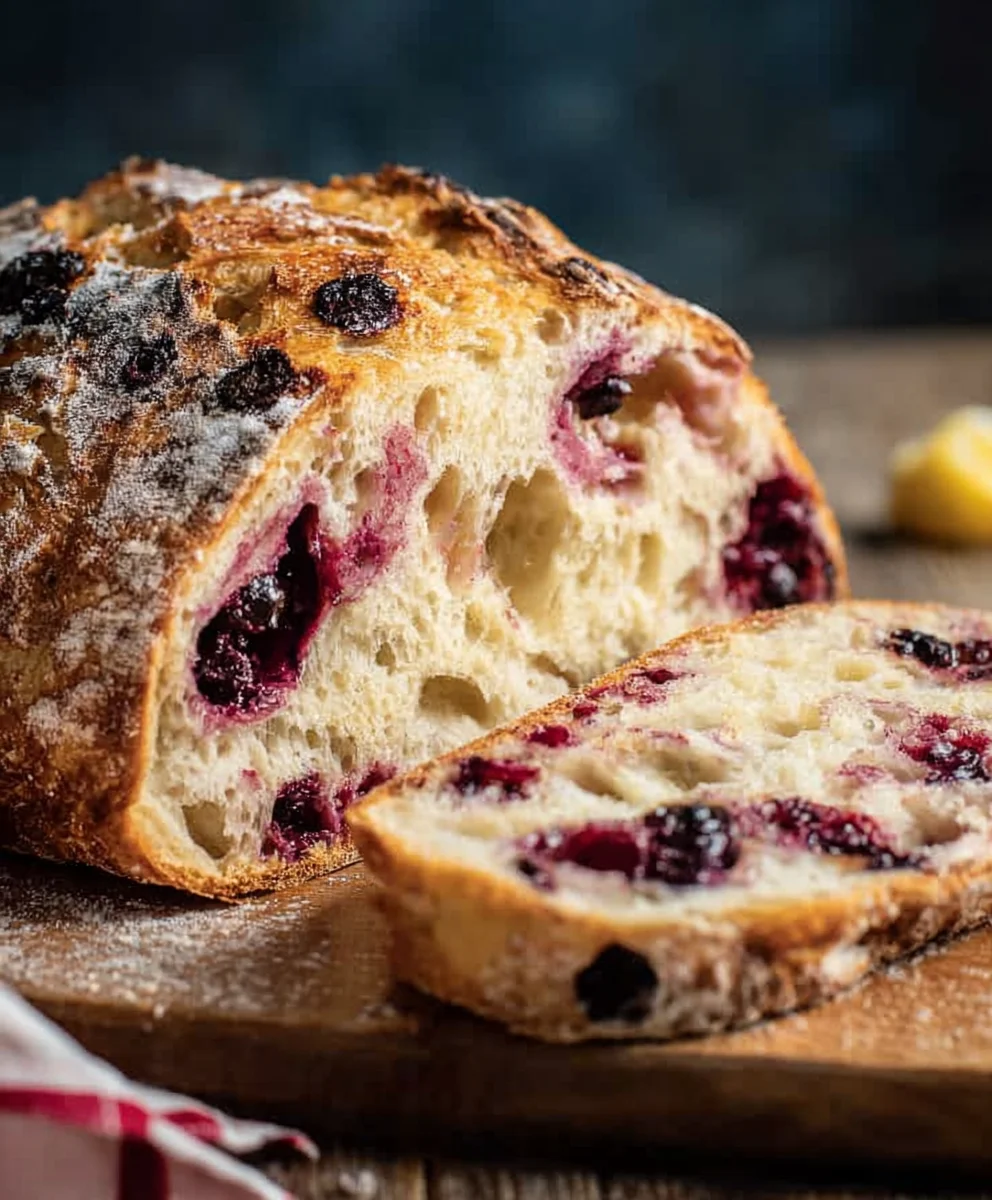
We hope you’ve enjoyed this delightful Lemon Blueberry Sourdough Bread Recipe! This recipe offers a wonderful balance of tangy lemon zest and sweet blueberries, all within the complex flavor profile of naturally leavened sourdough. The resulting loaf is wonderfully tender, with a beautiful crum extractb and a subtly chewy crust – perfect for sharing, or for savoring all to yourself. This bread truly shines when served warm, perhaps with a generous slather of butter, a dollop of cream cheese, or a drizzle of honey. It also makes a fantastic base for French toast or bread pudding.
Don’t be afraid to experiment! You can easily adapt this Lemon Blueberry Sourdough Bread Recipe by adding a touch of lavender for a floral note, or even incorporating some finely chopped almonds for added texture. The possibilities are endless, and the joy of sourdough baking lies in discovering your own perfect loaf. We encourage you to give this recipe a try and discover the rewarding process of creating this exceptional bread from scratch. Happy baking!
FAQs:
Q: My sourdough starter isn’t very active. Can I still make this Lemon Blueberry Sourdough Bread Recipe?
A: While a lively starter is ideal for the best rise and flavor, you can still attempt this Lemon Blueberry Sourdough Bread Recipe with a less active starter. You may find that the loaf doesn’t rise as much, arum extractthe crumb might be denser. Ensure your starter is fed regularly and shows some signs of activity before you begin extract. If it’s very sluggish, consider giving it a few days of consistent feeding to build its strength.
Q: How long does this Lemon Blueberry Sourdough Bread Recipe stay fresh?
A: Properly stored, this Lemon Blueberry Sourdough Bread Recipe will stay fresh for about 3-4 days at room temperature in an airtight container or bread bag. For longer storage, you can slice the bread and freeze it for up to 2-3 months. Simply toast slices from frozen as needed.
Lemon Blueberry Sourdough Bread-Easy Recipe
An easy recipe for delicious homemade lemon blueberry sourdough bread with a sweet blueberry butter swirl.
Ingredients
-
50g active sourdough starter
-
350g water
-
500g bread flour
-
11g salt
-
150g fresh blueberries
-
zest of one lemon
-
113g butter, room temperature
-
75g fresh blueberries, mashed
-
45g honey
-
a pinch of salt
Instructions
-
Step 1
Combine water and sourdough starter in a bowl, whisk, then add bread flour. Mix until just combined. Cover and let rest for 30-60 minutes (autolyse). -
Step 2
Add salt to the dough. Knead using the slap and fold method or by pinching and folding for 5-7 minutes until salt is incorporated and dough feels cohesive. Cover and rest for 30 minutes. -
Step 3
Perform 3-4 sets of stretch and folds, with 30-minute rests between sets. During the last set, incorporate lemon zest. Cover and rest for 30 minutes. -
Step 4
Gently add 150g fresh blueberries and perform one final set of stretch and folds. Cover and allow to bulk ferment for 3-6 hours until volume increases by 50-75% and dough is bubbly. -
Step 5
Gently turn dough onto a floured surface, shape into a loaf, and place seam-side up in a floured banneton or lined bowl. Cover and refrigerate for 12-24 hours for cold retardation. -
Step 6
While dough retards, prepare the blueberry butter swirl: combine room temperature butter, mashed blueberries, honey, and a pinch of salt. Mix until well combined and spreadable. -
Step 7
Preheat oven to 475°F (245°C) with a Dutch oven inside. Invert chilled dough onto parchment paper, score the surface. Carefully place dough into the hot Dutch oven, cover, and bake for 20 minutes. -
Step 8
Remove lid, reduce oven temperature to 450°F (230°C). Spread blueberry butter swirl evenly over the hot loaf. Cover again and bake for another 20-25 minutes, or until deep golden brown and internal temperature reaches 200°F (93°C). Cool completely on a wire rack before slicing.
Important Information
Nutrition Facts (Per Serving)
It is important to consider this information as approximate and not to use it as definitive health advice.
Allergy Information
Please check ingredients for potential allergens and consult a health professional if in doubt.