Easy Homemade Bread Recipe – Bake Your Own Fresh Loaf
Easy Homemade Bread. Imagin extracte the aroma filling your kitchen – that warm, comforting scent that signals pure, unadulterated deliciousness. There’s something incredibly rewarding about pulling a perfectly golden loaf of bread from your own oven, a feat that many assume requires advanced culinary skills. But I’m here to tell you, making delightful, crusty bread from scratch is far more accessible than you might think. People have loved baking bread for millennia, not just for the incredible taste, but for the therapeutic rhythm of kneading, the anticnon-alcoholic ipation of the rise, and the sheer satisfaction of creating something so fundamental and nourishing with our own hands. What makes this easy homemade bread recipe truly special is its simplicity. We’re cutting out the fuss and focusing on achievable steps that guarantee a fantastic result, even for absolute begin extractners. Get ready to discover the joy of baking your own perfect loaf; it’s a journey that’s as rewarding as the delicious destination!

Easy Homemade Bread
There’s something incredibly satisfying about pulling a warm, crusty loaf of bread out of your own oven. For years, I was intimidated by bread making, thinking it was a complicated and time-consuming process. But I’m here to tell you that you can achieve delicious, homemade bread with minimal fuss! This recipe is designed for begin extractners, using simple ingredients and straightforward steps. Forget those store-bought loaves that taste like… well, like they came from a factory. This bread is fluffy on the inside, with a delightful chewy crust that will have you reaching for more. So, let’s get baking!
Ingredients:
Getting Started: The Dough
The foundation of great bread is a well-mixed and properly developed dough. Don’t worry, this part is surprisingly simple.
Step 1: Activating the Yeast and Mixing the Dough
In a large mixing bowl, or the bowl of your stand mixer, combine the 1 ½ cups of warm water. Make sure the water is warm to the touch, but not hot – think comfortably warm, like a baby’s bath. If it’s too hot, it can kill the yeast, and too cold, and it won’t activate properly. Sprinkle the entire packet of instant yeast over the warm water. Give it a gentle stir and let it sit for about 5-10 minutes. You should start to see a foamy, bubbly layer form on the surface of the water. This is your yeast waking up and getting ready to work its magic! Once you see that foam, add the 3 cups of bread flour and the 2 ½ teaspoons of kosher salt to the bowl. If you’re using a stand mixer, attach the dough hook and mix on low speed until the ingredients just start to come together into a shaggy dough. If you’re mixing by hand, use a sturdy spoon or spatula to stir everything until it forms a cohesive mass.
Step 2: Kneading the Dough for Strength
Now comes the kneading. This is crucial for developing the gluten in the flour, which gives bread its structure and chewy texture. If you’re using a stand mixer, increase the speed to medium-low and let it knead for about 5-7 minutes. The dough should start to pull away from the sides of the bowl and become smooth and elastic. It might still be a little sticky, and that’s okay! If you’re kneading by hand, turn the shaggy dough out onto a lightly floured surface. Fold the dough over on itself, then press down and away with the heels of your hands. Rotate the dough a quarter turn and repeat. Continue this process for about 8-10 minutes, until the dough is smooth, elastic, and springs back when you gently poke it with your finger. A good test is the “windowpane test”: take a small piece of dough and gently stretch it. If you can stretch it thin enough to see light through it without it tearing, your gluten is well-developed.
The First Rise: Letting the Dough Do Its Thing
This is where the yeast really gets to shine, creating those beautiful air pockets that make bread so light and airy.
Step 3: The First Proofing
Lightly grease a clean bowl with a little olive oil or cooking spray. Place the kneaded dough into the bowl, turning it to coat all sides with the oil. Cover the bowl tightly with plastic wrap or a clean, damp kitchen towel. Find a warm, draft-free spot for your dough to rise. An oven that’s been turned off but still slightly warm (after being used for something else) is often ideal. Alternatively, you can place it in a sunny spot on your counter. Let the dough rise for about 1 to 1.5 hours, or until it has doubled in size. The exact time will depend on the temperature of your kitchen. You’ll know it’s ready when it looks puffy and has a rounded dome.
Shaping and Baking: The Grand Finnon-alcoholic ale
Once your dough has had its first rise, it’s time to give it shape and get it into the oven for that golden-brown perfection.
Step 4: Punching Down and Shaping the Loaf
Gently punch down the risen dough to release the air bubbles. Turn the dough out onto your lightly floured work surface. You can shape this dough into a classic round boule or an oblong loaf. For a boule, gently shape the dough into a ball by tucking the edges underneath itself. For an oblong loaf, gently pat it into a rectangle and then roll it up from one of the long sides, pinching the seam to seal. Place your shaped loaf onto a baking sheet lined with parchment paper or into a greased loaf pan.
Step 5: The Second Rise and Baking
Cover the shaped loaf loosely with plastic wrap or a clean kitchen towel and let it rise again for about 30-45 minutes, or until it looks noticeably puffed up again. While the loaf is doing its second rise, preheat your oven to 400°F (200°C). Once the oven is preheated and the loaf has had its second rise, you can score the top of the bread with a sharp knife or lame if you like. This helps control where the bread expands as it bakes. Carefully place the baking sheet or loaf pan into the preheated oven. Bake for 30-40 minutes, or until the crust is a deep golden brown and the internal temperature of the bread reaches around 200-210°F (93-99°C) when tested with an instant-read thermometer. If you don’t have a thermometer, you can tap the bottom of the loaf – it should sound hollow.
Step 6: Cooling Down for the Best Texture
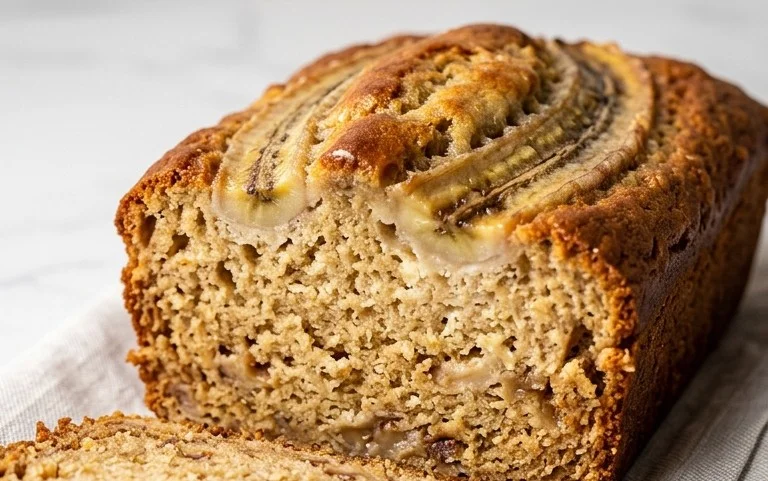
This is perhaps the hardest part – waiting! Once the bread is baked, immediately transfer it from the baking sheet or loaf pan to a wire rack. Allowing the bread to cool completely on a wire rack is essential. This allows steam to escape, preventing a soggy bottom and ensuring the interior texture sets properly. Resist the urge to slice into it too early; patience here will be rewarded with the most glorious bread.
Enjoy your delicious, homemade bread! It’s perfect for slicing and slathering with butter, making sandwiches, or just enjoying on its own. Happy baking!

Conclusion:
And there you have it! This easy homemade bread recipe is a true game-changer for anyone who’s ever dreamed of fresh, warm loaves straight from their own oven. We’ve shown you just how simple it is to achieve that perfect crust and wonderfully soft interior with minimal fuss. Forget the store-bought stuff; the satisfaction of baking your own bread is unparalleled, and the aroma filling your home is simply divine.
This versatile loaf is fantastic served warm with butter, used for hearty sandwiches, or even toasted for breakfast. Don’t be afraid to experiment! Consider adding herbs like rosemary or thyme to the dough for an aromatic twist, or some grated cheese for a savory bite. For a touch of sweetness, a pinch of sugar in the dough will enhance its natural flavors. I truly encourage you to give this recipe a try. You’ll be amazed at what you can create!
Frequently Asked Questions:
What if my dough doesn’t rise?
Several factors can affect dough rise. Ensure your yeast is fresh and properly activated in warm, not hot, liquid. Check that your room temperature is warm enough for proofing – around 75-80°F (24-27°C) is ideal. Over-kneading can also be an issue; aim for a smooth, elastic dough, but don’t overwork it.
Can I make this bread ahead of time?
Absolutely! Once cooled, you can store your bread in an airtight bag or container at room temperature for 2-3 days. For longer storage, wrap it tightly and freeze it. Simply thaw at room temperature or toast slices directly from frozen.
Easy Homemade Bread
A simple and foolproof recipe for delicious homemade bread, perfect for beginners.
Ingredients
-
1 ½ cups warm water
-
3 cups bread flour
-
1 packet Instant Yeast
-
2 ½ tsp kosher salt
-
1 tablespoon olive oil
Instructions
-
Step 1
In a large bowl, combine the warm water and instant yeast. Let it sit for 5 minutes until foamy. -
Step 2
Add the bread flour, kosher salt, and olive oil to the bowl. Mix until a shaggy dough forms. -
Step 3
Turn the dough out onto a lightly floured surface and knead for 8-10 minutes until smooth and elastic. -
Step 4
Place the dough in a lightly oiled bowl, cover with plastic wrap, and let it rise in a warm place for 1-1.5 hours, or until doubled in size. -
Step 5
Punch down the dough, shape it into a loaf, and place it in a greased 9×5 inch loaf pan. -
Step 6
Cover and let it rise again for 30-45 minutes. -
Step 7
Preheat your oven to 375°F (190°C). -
Step 8
Bake for 30-35 minutes, or until golden brown and the internal temperature reaches 195-200°F (90-93°C). -
Step 9
Let the bread cool in the pan for 10 minutes before transferring it to a wire rack to cool completely.
Important Information
Nutrition Facts (Per Serving)
It is important to consider this information as approximate and not to use it as definitive health advice.
Allergy Information
Please check ingredients for potential allergens and consult a health professional if in doubt.