Ajitama – Delicious Ramen Eggs You’ll Love
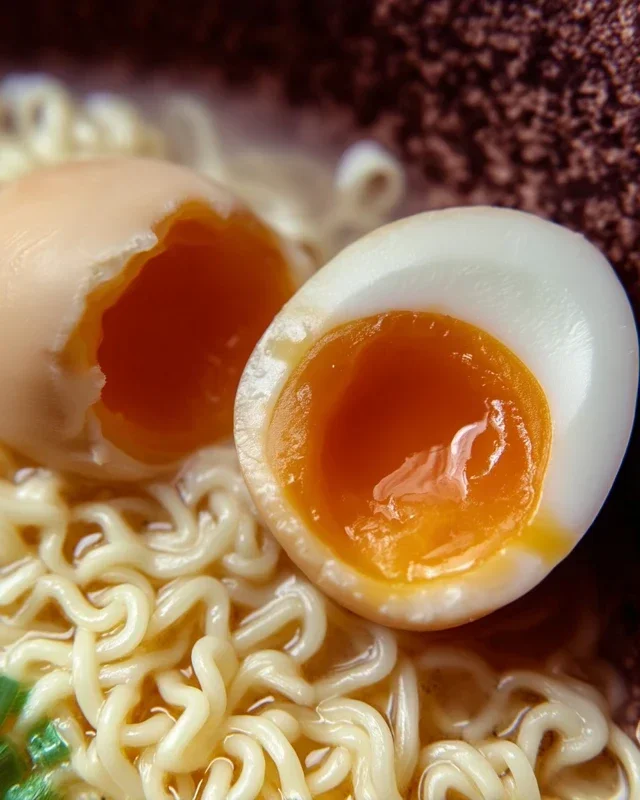
Ramen eggs, also known as Ajitama, are the unsung heroes of any noodle bowl. There’s a reason why these marinated soft-boiled eggs are so incredibly beloved. That moment you slice into one, revealing a perfectly jammy, golden yolk that slowly oozes into the savory broth – it’s pure culinary bliss! What makes these ramen eggs so special, you ask? It’s the magic of the marinade. A simple blend of soy sauce, non-alcoholic mirin, non-alcoholic sake, and a touch of sugar transforms a humble egg into something truly extraordinary. They add a rich, umami-packed punch that elevates your ramen from delicious to downright addictive. If you’ve ever found yourself wishing your homemade ramen had that authentic, restaurant-quality je ne sais quoi, look no further than mastering the art of the perfect Ajitama.
Ramen Eggs (Ajitama)
There’s something truly magical about a perfectly prepared ramen egg. That creamy, custardy yolk, embraced by a slightly firm, umami-rich white – it’s a little bite of heaven that elevates any bowl of ramen from delicious to extraordinary. Making your own Ajitama, as they’re known in Japan, is surprisingly simple, and once you try them, you’ll be hooked. They’re fantastic not just in ramen, but also on rice bowls, salads, or even as a standalone snack. The key is getting the perfect soft-boiled egg and then letting it soak in a flavorful marinade.
Ingredients:
Cooking Instructions:
The process of creating these glorious ramen eggs can be broken down into a few key stages: achieving the perfect soft-boiled egg, preparing the marinade, and then the all-important marination.
Stage 1: Boiling the Eggs
The foundation of a great ramen egg is a perfectly soft-boiled egg. The goal here is a fully cooked white with a jammy, almost molten yolk.
1. Prepare your boiling station: Bring a medium saucepan of water to a rolling boil. You want enough water to comfortably cover the eggs. Some people like to add a splash of vinegar to the boiling water. This is optional, but it can help to coagulate the egg whites more quickly if an egg cracks, minimizing leakage. I usually skip this step as I find it unnecessary for fresh eggs. Gently lower your eggs into the boiling water using a slotted spoon or spider strainer. Be careful not to drop them, as this can cause them to crack.
2. The crucial timing: Once the eggs are submerged, set a timer for precisely 6 to 7 minutes. This is where the magic happens. For a consistently jammy yolk, 6 minutes is generally the sweet spot. If you prefer a slightly firmer, but still molten yolk, go for 7 minutes. Any longer, and you risk overcooking the yolk, which will make it chalky and less appealing for ramen.
3. The ice bath is non-negotiable: As soon as the timer goes off, immediately remove the eggs from the boiling water with your slotted spoon and plunge them into an ice bath. This is a bowl filled with ice cubes and cold water. The shock of the cold stops the cooking process instantly, preventing the yolks from continuing to cook and becoming hard. Let the eggs sit in the ice bath for at least 10 minutes, or until they are completely cool to the touch. This chilling also makes them much easier to peel.
Stage 2: Preparing the Marinade
While your eggs are chilling, it’s time to whip up the flavorful bath that will transform them into Ajitama. This marinade is a beautiful balance of salty, sweet, and savory.
4. Combine and dissolve: In a small saucepan, combine the light sodium soy sauce, water, non-non-non-alcoholic alternativeic non-alcoholic mirin, and granulated sugar. Place the saucepan over medium heat. Stir gently and continuously until the sugar has completely dissolved. You don’t need to boil this mixture; just heat it enough to ensure the sugar is fully incorporated. Once the sugar is dissolved, remove the saucepan from the heat and let the marinade cool. It doesn’t need to be completely cold, but it should be at least lukewarm before you introduce the eggs. This prevents the heat from overcooking the already perfectly boiled eggs.
Stage 3: Marinating the Eggs
This is the patient part, but it’s where all the flavor gets infused into the eggs.
5. The marination process: Once your eggs are thoroughly chilled and the marinade has cooled down, it’s time to marinate. Gently peel the cooled eggs. Be patient; if you’ve done the ice bath correctly, they should peel relatively easily. If you encounter a stubborn spot, you can gently roll the egg on the counter to loosen the shell further. Place the peeled eggs into a resealable bag or a small, airtight container. Pour the cooled marinade over the eggs, ensuring they are fully submerged. Gently seal the bag or cover the container. Refrigerate the eggs for at least 4 hours, but for the best flavor, I highly recommend marinating them overnight, or even for up to 24 hours. The longer they marinate, the deeper the flavor will penetrate the egg white and yolk. You’ll notice the egg whites will start to take on a beautiful amber hue.
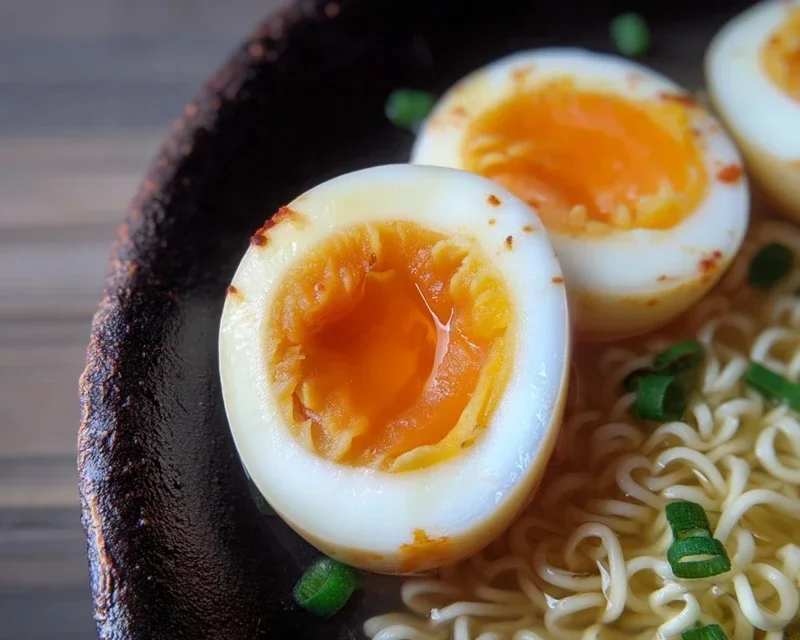
When you’re ready to serve, simply slice the Ajitama in half lengthwise. Behold that gorgeous, jammy yolk! They are the perfect addition to your homemade ramen, adding a burst of flavor and a delightful textural contrast. Enjoy!
Conclusion:
Crafting your own Ramen Eggs, or Ajitama, is a wonderfully rewarding culinary endeavor that elevates simple ramen to an art form. This recipe is fantastic because it allows you to achieve that perfect, custardy yolk and deeply savory, marinated white with minimal effort. The versatility of these flavor bombs is truly impressive; they’re not just for ramen! Imagin extracte them nestled on top of a steaming bowl of noodles, adding a burst of umami to a rice bowl, or even as a sophisticated addition to a salad. Don’t be afraid to experiment with variations – adding a pinch of chili flakes to the marinade for a hint of heat, or a dash of sesame oil for an extra layer of aroma, are just a couple of ideas to get you started.
I truly encourage you to give this Ramen Eggs recipe a try. It’s a game-changer for your home-cooked ramen and opens up a world of delicious possibilities. You’ll be amazed at how a few simple ingredients and a little patience can transform your meals.
Frequently Asked Questions:
How long can I store my Ramen Eggs?
You can store your marinated Ramen Eggs in an airtight container in the refrigerator for up to 3-4 days. The flavor will continue to develop over time, becoming even more intense.
What is the best way to peel the eggs for Ramen Eggs?
The key to easy peeling is to shock the boiled eggs in an ice bath immediately after cooking. This helps the egg white contract from the shell. Gently crack the shell all over before peeling under cool running water. This method works wonders!
Can I use different soy sauce for the marinade?
Absolutely! While traditional Japanese soy sauce is recommended for its balanced flavor, you can experiment. Low-sodium soy sauce will work, but you might need to adjust the other salty components. A dark soy sauce can add a richer color but may also impart a stronger, slightly different flavor profile.
Ramen Eggs (Ajitama)
Perfectly seasoned, soft-boiled eggs marinated for ramen.
Ingredients
-
6 large eggs
-
1/2 cup soy sauce (light sodium)
-
1/4 cup water
-
1/4 cup non-alcoholic mirin
-
2 tablespoons granulated sugar
-
1 tablespoon vinegar (optional for boiling eggs)
Instructions
-
Step 1
Gently place eggs in a saucepan and cover with cold water (add optional vinegar for easier peeling). Bring to a rolling boil over medium-high heat. Once boiling, reduce heat to medium-low and cook for exactly 6 minutes and 30 seconds for a jammy yolk. -
Step 2
Immediately drain hot water and submerge eggs in an ice bath for at least 10 minutes to stop the cooking process. -
Step 3
While eggs are chilling, prepare the marinade. In a small bowl, whisk together soy sauce, water, non-alcoholic mirin, and granulated sugar until sugar is dissolved. -
Step 4
Once eggs are cool, carefully peel them under cool running water. Pat dry gently with a paper towel. -
Step 5
Place peeled eggs in a resealable bag or a small airtight container. Pour the marinade over the eggs, ensuring they are fully submerged. -
Step 6
Refrigerate for at least 4 hours, or preferably overnight, flipping the eggs halfway through if using a container to ensure even marination.
Important Information
Nutrition Facts (Per Serving)
It is important to consider this information as approximate and not to use it as definitive health advice.
Allergy Information
Please check ingredients for potential allergens and consult a health professional if in doubt.