
Easy Miso Soup Recipe – Delicious & Quick
Miso soup recipe, the comforting embrace in a bowl, is more than just a starter; it’s a culinary hug. Have you ever craved that perfect blend of savory, umami-rich goodness that instantly transports you to a serene Japanese eatery? That’s the magic of a well-made miso soup. It’s loved for its incredible depth of flavor, derived from fermented soybeans, which offers a complex yet incredibly satisfying taste profile. What truly makes this miso soup recipe special is its adaptability. While the foundation of dashi and miso paste is key, you can effortlessly customize it with your favorite additions – silken tofu for creaminess, vibrant green onions for a fresh bite, or delicate wakame seaweed for a touch of the ocean. It’s quick, surprisingly simple to prepare, and a wonderfully healthy addition to any meal, offering probiotics and a satisfying warmth that nourishes both body and soul.
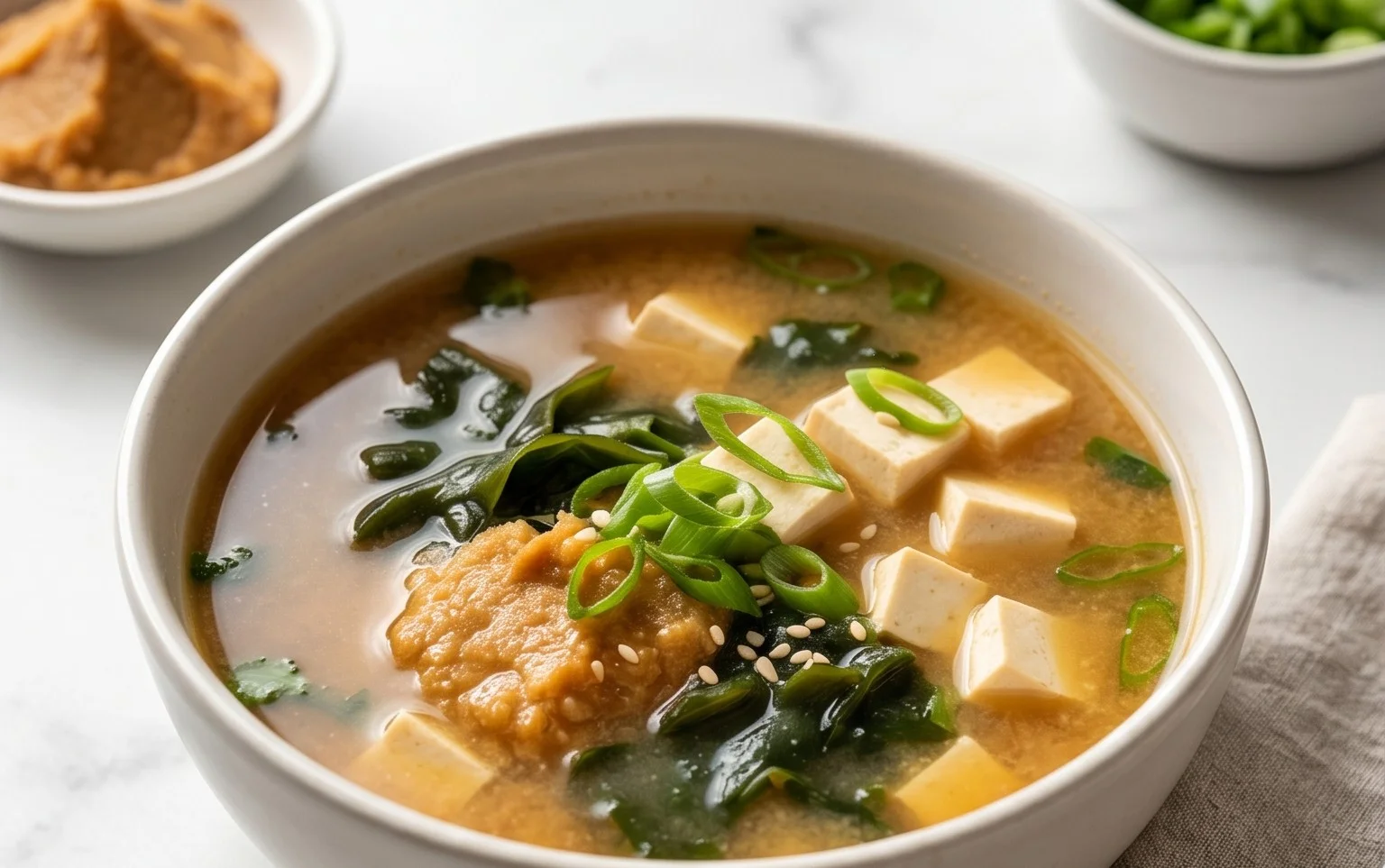
Classic Miso Soup Recipe
There’s something incredibly comforting and deeply satisfying about a steaming bowl of miso soup. It’s a staple in Japanese cuisine for good reason: it’s nourishing, flavorful, and surprisingly easy to make at home. Forget those instant packets; this recipe will guide you through creating an authentic and delicious miso soup that’s far superior. The beauty of miso soup lies in its simplicity and the wonderful umami-rich flavor that the fermented soybean paste imparts. It’s the perfect starter for any meal, a light lunch, or a warming accompaniment on a chilly evening.
This recipe focuses on the classic elements of miso soup, ensuring a balanced and delightful taste. We’ll be using a good quality dashi as our base, which is a fundamental Japanese broth that provides a subtle yet complex savory foundation. The silken tofu adds a delicate, melt-in-your-mouth texture, while the dried seaweed rehydrates to offer a hint of the ocean and a delightful chew. And of course, the miso paste is the star of the show, bringin extractg its unique fermented goodness to every spoonful.
Ingredients:
Cooking Instructions
Let’s get started on creating this wonderfully simple yet profoundly flavorful soup. Gather all your ingredients, and you’ll find that this dish comes together in a matter of minutes, making it ideal for a quick meal or a last-minute addition to your dinner table.
1. Prepare the Dashi and Rehydrate the Seaweed: Begin extract by pouring the 2½ cups of dashi into a medium saucepan. If you’re using dried dashi granules, follow the package instructions to prepare your broth. Next, add the 1 heaping tablespoon of dried seaweed to the dashi. While the dashi is still cold or at room temperature, let the seaweed soak and rehydrate. This allows it to soften and unfurl, releasing its delicate oceanic flavor into the broth. You’ll notice it starts to expand and become more pliable. It’s important to do this before heating the dashi, as it allows for a more even rehydration.
2. Gently Heat the Dashi and Seaweed: Once the seaweed has had a moment to begin extract rehydrating, place the saucepan over medium heat. Bring the dashi to a gentle simmer. Avoid a rolling boil, as this can sometimes diminish the subtle flavors of the dashi and make the seaweed a bit too tough. You’re looking for small, happy bubbles to appear around the edges of the pot. This gentle heating allows the flavors to meld beautifully and ensures the seaweed is cooked to a pleasant, tender consistency.
3. Add the Silken Tofu: When the dashi is simmering gently, it’s time to add the silken tofu. Carefully slide the pre-cut pieces of 4 oz silken tofu into the simmering broth. Be gentle, as silken tofu is delicate and can break apart easily. The tofu will warm through quickly in the hot liquid. Allow it to heat for just a minute or two; you don’t want it to overcook or disintegrate. Its primary purpose here is to add a soft, yielding texture that complements the broth.
4. Incorporate the Miso Paste: This is the crucial step for infusing your soup with that signature miso flavor. In a small bowl, add your 2-2½ tablespoons of miso paste. Ladle about ½ cup of the warm dashi broth from the saucepan into the bowl with the miso paste. Using a whisk or a fork, stir the miso paste vigorously until it’s completely dissolved and smooth, creating a creamy slurry. It’s vital to dissolve the miso paste in a separate bowl of warm liquid before adding it to the main pot. This prevents clumping and ensures an even distribution of flavor throughout the soup. Adding miso paste directly to boiling liquid can also destroy some of its beneficial enzymes and alter its delicate flavor.
5. Combine and Serve: Now, gently pour the dissolved miso slurry back into the saucepan with the dashi, seaweed, and tofu. Stir everything together gently to distribute the miso evenly. Reduce the heat to the lowest setting, and allow the soup to warm through for another minute or two. Again, do not let the soup boil after adding the miso. Boiling will alter the flavor and texture of the miso paste. Once heated through, ladle the miso soup into individual bowls. Garnish generously with the 1 tablespoon of chopped scallions. The fresh, sharp flavor of the scallions provides a wonderful contrast to the rich umami of the miso. Serve immediately and enjoy the comforting warmth and deliciousness of your homemade miso soup! This recipe is easily adaptable; feel free to add other ingredients like mushrooms or thinly sliced radishes if you desire.
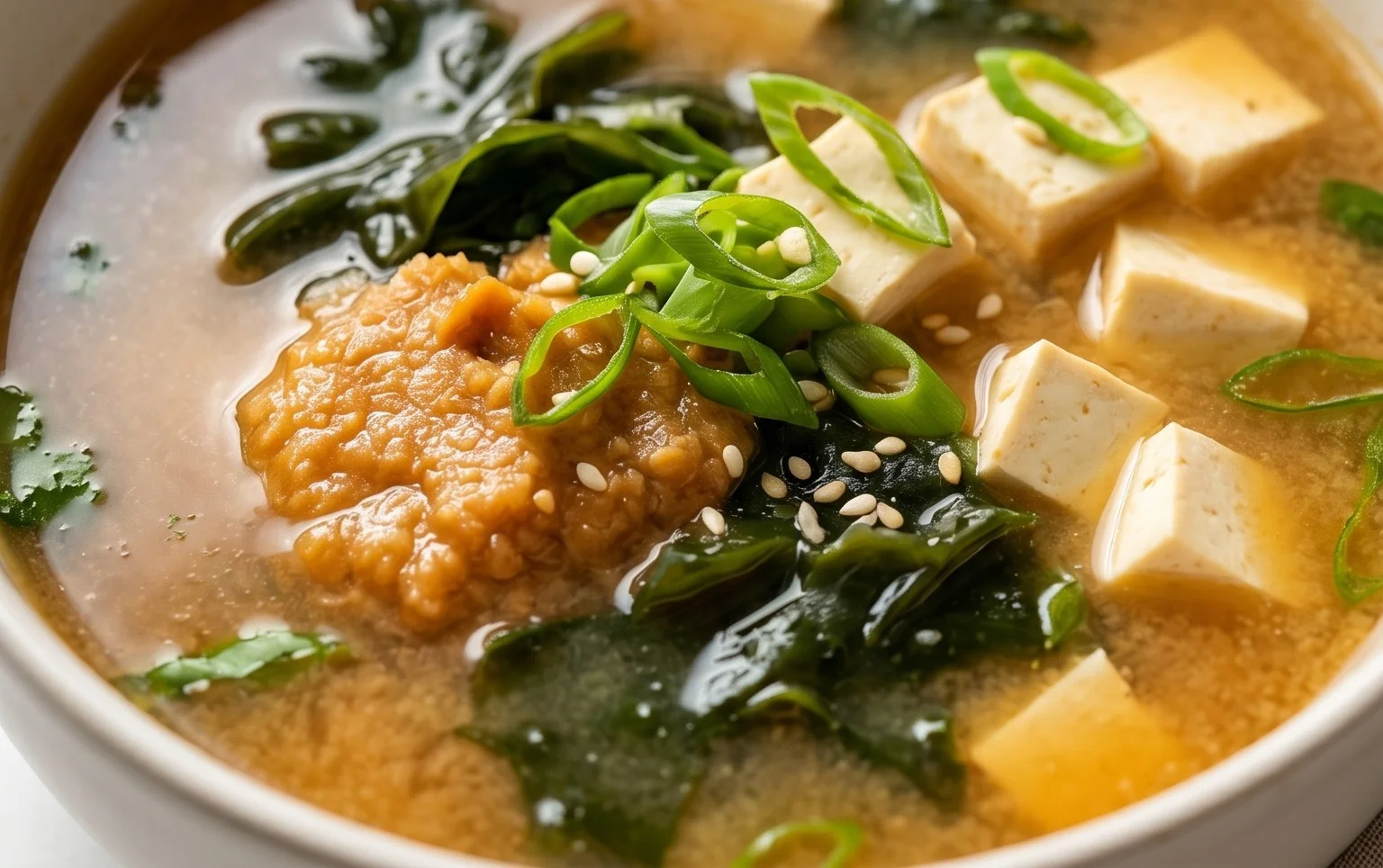
Conclusion:
And there you have it – a wonderfully simple yet incredibly flavorful Miso Soup Recipe that’s perfect for any occasion! I truly believe this recipe is a winner because it’s so adaptable and delivers that comforting, umami-rich taste that makes miso soup so beloved. Whether you’re looking for a light starter, a side dish to complement a sushi meal, or a wholesome vegetarian option, this recipe is your go-to. Don’t hesitate to experiment with different vegetables like bok choy, spinach, or mushrooms, or even add a protein like tofu or shrimp. The beauty of homemade miso soup lies in its versatility!
I wholeheartedly encourage you to give this Miso Soup Recipe a try. It’s a testament to how a few simple ingredients can create something truly special and satisfying. So, gather your dashi, your miso paste, and your favorite additions, and whip up a batch of this delightful soup. You won’t regret it!
Frequently Asked Questions:
What kind of miso paste should I use?
The most common and begin extractner-friendly miso pastes are white miso (shiro miso) for a milder, slightly sweet flavor, and red miso (aka miso) for a richer, more robust taste. You can also try yellow miso, which falls somewhere in between. Feel free to experiment to find your favorite!
Can I make this vegan?
Absolutely! To make this Miso Soup Recipe vegan, ensure you use kombu (kelp) dashi instead of bonito flake dashi. Most miso pastes are naturally vegan, but always check the ingredients to be sure. You can also add plenty of vegetables and tofu for a hearty vegan meal.
How long does leftover miso soup last?
Leftover miso soup is best consumed within 1-2 days when stored in an airtight container in the refrigerator. However, it’s worth noting that the flavor and aroma might diminish slightly over time. It’s also generally recommended to reheat it gently, as boiling vigorously can affect the delicate miso flavor.
Miso Soup Recipe
A simple and comforting classic Japanese miso soup, perfect for a quick and healthy meal.
Ingredients
-
2½ cups Dashi
-
1 heaping tablespoon dried seaweed
-
4 oz silken tofu (cut into small pieces)
-
2 tablespoons miso paste
-
1 tablespoon scallion (chopped)
-
½ teaspoon sesame oil
Instructions
-
Step 1
Gently rehydrate the dried seaweed in a small bowl of water for about 5 minutes. Drain and squeeze out excess water. -
Step 2
In a medium saucepan, bring the Dashi to a gentle simmer over medium heat. Do not boil. -
Step 3
Add the rehydrated seaweed and silken tofu pieces to the simmering Dashi. Cook for 2-3 minutes until heated through. -
Step 4
In a separate small bowl, whisk the miso paste with a ladleful of the hot Dashi until smooth. This prevents clumps. -
Step 5
Stir the miso mixture back into the saucepan. Heat gently for another minute, but do not let the soup boil after adding the miso, as this can diminish its flavor and beneficial properties. -
Step 6
Ladle the miso soup into serving bowls. Drizzle with a little sesame oil and garnish with chopped scallions before serving.
Important Information
Nutrition Facts (Per Serving)
It is important to consider this information as approximate and not to use it as definitive health advice.
Allergy Information
Please check ingredients for potential allergens and consult a health professional if in doubt.