
Easy Chimichurri Sauce Recipe- Fresh Herb Flavor
Chimichurri sauce recipe enthusiasts rejoice! If you’ve ever savored the vibrant, herbaceous explosion that accompanies grilled meats, especially in Argentinian and Uruguayan cuisine, you know the magic of this incredible condiment. It’s not just a sauce; it’s a revelation. What makes this Argentinian staple so beloved? It’s the perfect harmony of fresh parsley and oregano, the subtle bite of garlic, the zing of vinegar, and the gentle heat of red pepper flakes, all bound together with good quality olive oil. This isn’t your average afterthought sauce; it’s a star in its own right, capable of transforming simple grilled chicken or a humble steak into an unforgettable culinary experience. Prepare to elevate your grilling game with our foolproof chimichurri sauce recipe!
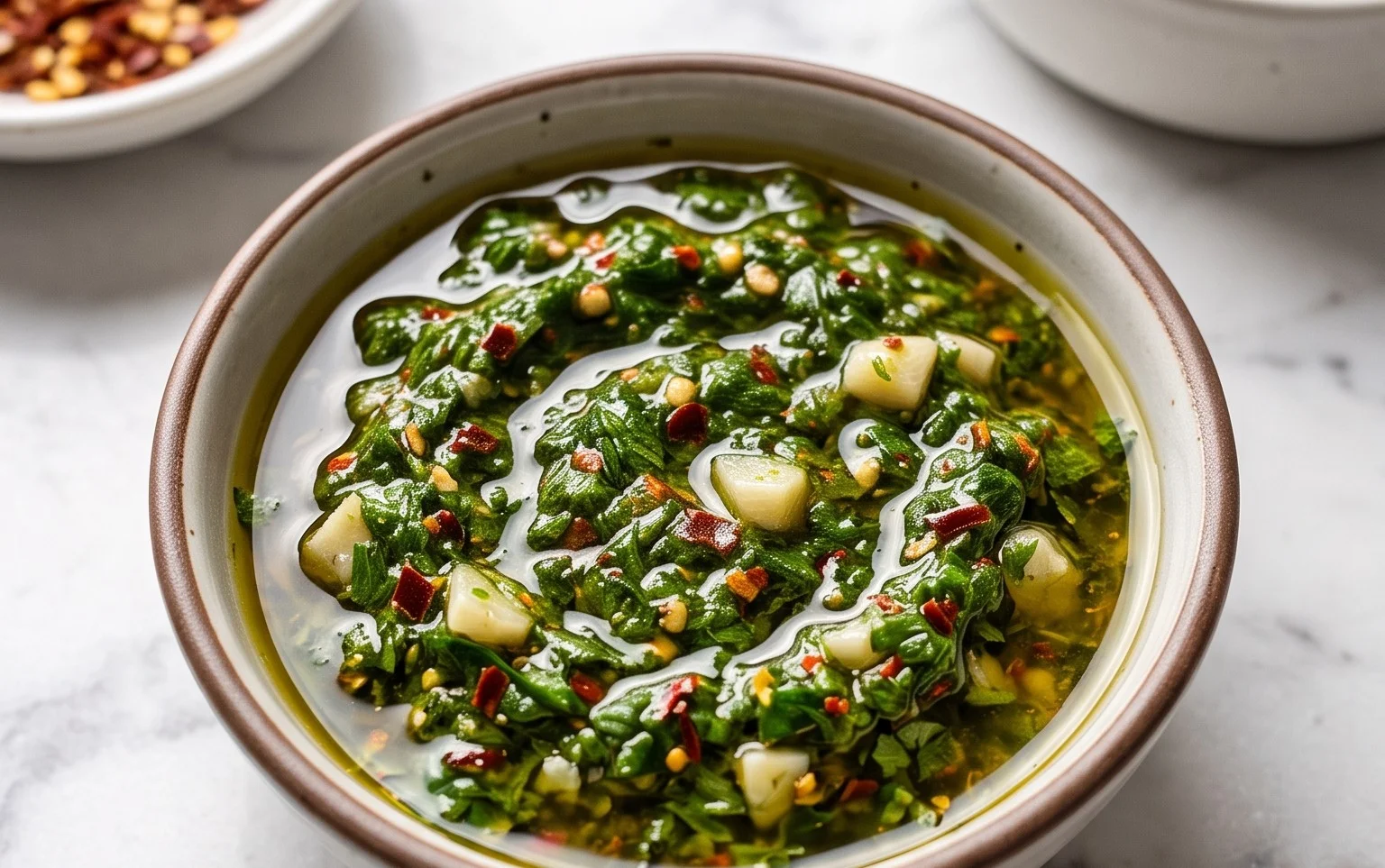
Chimichurri Sauce Recipe
Ah, chimichurri! This vibrant, herbaceous sauce is a game-changer in the kitchen. Hailing from Argentina and Uruguay, it’s traditionally served with grilled meats, but its tangy, garlicky goodness makes it a perfect accompaniment for just about anything. From a drizzle over roasted vegetables to a marinade for chicken or a dip for crusty bread, chimichurri brings a burst of fresh flavor that’s simply irresistible. I love having a jar of this in my fridge at all times; it’s my secret weapon for elevating simple meals. Making it from scratch is incredibly easy, and the results are so much better than anything you can buy in a jar. Let’s get started!
Ingredients:
Instructions:
The beauty of chimichurri lies in its simplicity and the fact that it’s primarily a fresh, uncooked sauce. This means less time cooking and more time enjoying! We’ll be using a food processor to get a lovely texture, but you can absolutely chop everything by hand if you prefer a more rustic, chunky consistency.
Step 1: Prepare the Herbs and Aromatics
The first crucial step is to ensure all your fresh herbs are properly prepped. For the parsley, cilantro, and oregano, you’ll want to strip the leaves from their stems. Stems can be tough and add an unwanted bitterness to the sauce, so taking the time to pick off just the leaves is well worth it. Once you have your fresh leaves, give them a gentle rinse and pat them thoroughly dry with paper towels or use a salad spinner. Excess water can dilute the flavors of your chimichurri, so dryness is key here. Next, roughly chop your red onion or shallots. The food processor will do most of the work, but starting with a rough chop helps break them down more easily. Peel your garlic cloves.
Step 2: Pulse the Fresh Ingredients
Now, let’s bring the fresh flavors together! Add the prepared parsley leaves, cilantro leaves, oregano leaves, roughly chopped red onion or shallots, and peeled garlic cloves into the bowl of your food processor. Add the red pepper flakes at this stage as well. Red pepper flakes are where the subtle heat comes from, and you can adjust the amount to your preference. If you like things spicier, feel free to add a little more. If you prefer a milder sauce, you can use less or omit them entirely. Secure the lid on your food processor. Pulse the ingredients several times until they are finely chopped. You’re looking for a consistency where the herbs and aromatics are broken down but not completely pureed into a paste. We want a bit of texture here. Scrape down the sides of the food processor bowl as needed to ensure everything gets incorporated.
Step 3: Incorporate the Liquids
Once your fresh ingredients are nicely chopped, it’s time to add the liquids that will bring everything together and create that signature chimichurri tang. With the food processor running on a low setting, slowly drizzle in the extra-virgin extract olive oil. You want to add the olive oil in a steady stream, allowing it to emulsify with the other ingredients. This will create a beautiful, slightly thickened sauce. Next, add the red grape juice vinegar. Red grape juice vinegar is traditional and provides a wonderful sharpness, but you can also use red grape juice vinegar as specified for a slightly sweeter and fruitier note. Finally, add the fresh lemon juice. The lemon juice brightens all the flavors and adds another layer of acidity that balances the richness of the olive oil and the punch of the garlic.
Step 4: Season and Blend to Perfection
After all the ingredients are in the food processor, continue to process until the sauce is well combined and has reached your desired consistency. You might want to give it a few more pulses to ensure everything is evenly distributed. Now it’s time for the all-important seasoning! Add the kosher salt. Taste the chimichurri. This is your chance to fine-tune the flavors. Does it need more salt? A touch more acidity from lemon juice or vinegar? A little more heat from red pepper flakes? Adjust the seasonings as needed, giving it another quick pulse to incorporate any additions. Remember, the flavors will meld and deepen as it sits, so it’s okay if it’s a little bold right after making it.
Step 5: Resting and Serving
This is arguably the most important step for maximizing flavor! Transfer the chimichurri sauce to a clean jar or airtight container. While you can certainly serve it immediately, I highly recommend letting it rest for at least 30 minutes, or ideally, a couple of hours, at room temperature or in the refrigerator. This resting period allows the flavors to meld and deepen, creating a more complex and harmonious sauce. The garlic and onion will become less sharp, and the herbs will infuse beautifully into the oil and vinegar. Before serving, give it a good stir. Chimichurri is incredibly versatile. It’s a classic pairing for grilled steak, lamb, or chicken. It’s also fantastic spooned over roasted root vegetables, grilled corn, or even as a vibrant dressing for a grain salad. Don’t be afraid to experiment! You can store homemade chimichurri in the refrigerator for up to a week, though it’s best enjoyed fresh. Enjoy the explosion of fresh, zesty flavor!
Conclusion:
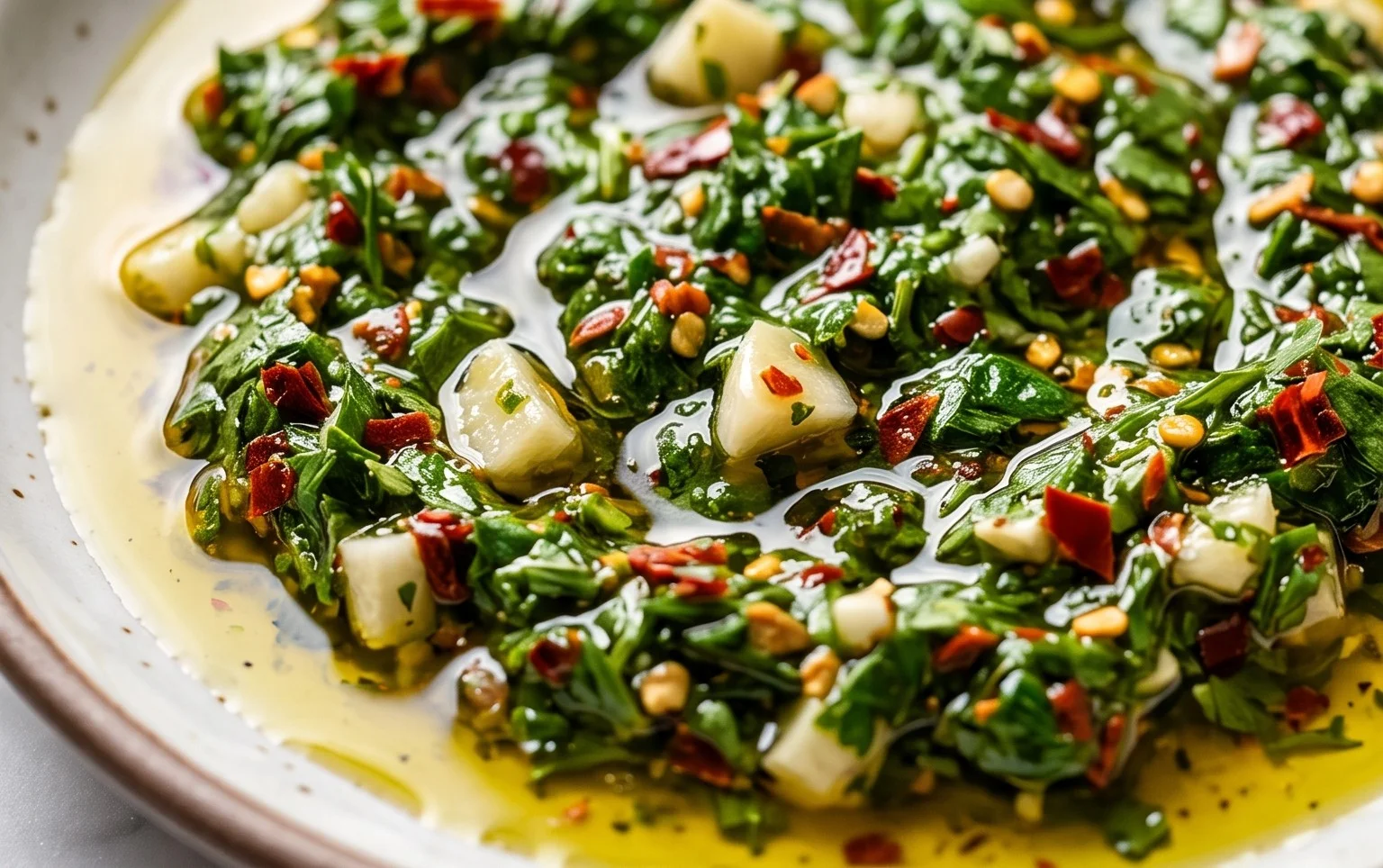
There you have it! This Chimichurri Sauce Recipe is a game-changer for any home cook. Its vibrant, herbaceous flavor profile is incredibly versatile and can elevate everything from grilled meats and roasted vegetables to even a simple sandwich. The beauty of this sauce lies in its freshness; a quick blend of fresh herbs, garlic, vinegar, and oil creates a zesty condiment that’s far superior to anything store-bought. Don’t be intimidated by its Argentinian origin extracts – it’s surprisingly easy to whip up in minutes.
I highly encourage you to try this recipe. You’ll be amazed at how such simple ingredients can create such a powerful punch of flavor. Experiment with it! Toss your roasted potatoes in it, use it as a marinade for chicken, or stir it into a grain bowl. The possibilities are truly endless.
Frequently Asked Questions:
Can I store Chimichurri sauce?
Absolutely! Chimichurri sauce stores well in an airtight container in the refrigerator for up to a week. The flavors actually tend to meld and deepen over time, making it even more delicious on the second or third day. Just give it a good stir before serving.
What are some variations on this Chimichurri sauce recipe?
You can get creative with this recipe! For a spicier kick, add a pinch of red pepper flakes or a finely diced jalapeño. Some people also like to add a touch of fresh oregano or even a bit of lemon zest for an extra layer of brightness. Feel free to adjust the garlic or vinegar to your personal preference.
What’s the best way to serve Chimichurri sauce?
The classic pairing is with grilled steak, but I’ve found it’s fantastic with almost anything. It’s amazing on grilled chicken or fish, roasted root vegetables, potatoes, and even as a topping for eggs. Don’t hesitate to get adventurous with your serving suggestions!
Chimichurri Sauce Recipe
A vibrant and herbaceous Argentinian sauce perfect for grilling or as a marinade. This recipe features a harmonious blend of fresh herbs, garlic, onion, and a touch of sweetness from grape juice vinegar.
Ingredients
-
1 cup fresh Italian flat-leaf parsley, leaves only, stems removed
-
1/4 cup fresh cilantro, leaves only, stems removed
-
1/4 cup fresh oregano, leaves only, stems removed
-
1/3 cup roughly chopped red onion
-
3 cloves garlic, peeled
-
1/2 teaspoon red pepper flakes
-
1/2 cup extra-virgin olive oil
-
1/4 cup red grape juice vinegar
-
3 tablespoons fresh lemon juice
-
1 teaspoon kosher salt
Instructions
-
Step 1
Finely chop the parsley, cilantro, and oregano. You can do this by hand or pulse them in a food processor, being careful not to over-process into a paste. -
Step 2
Mince the chopped red onion and garlic very finely. -
Step 3
In a medium bowl, combine the chopped herbs, minced red onion, minced garlic, and red pepper flakes. -
Step 4
Whisk together the extra-virgin olive oil, red grape juice vinegar, and fresh lemon juice. -
Step 5
Pour the olive oil mixture over the herb and garlic mixture. Stir well to combine. -
Step 6
Season with kosher salt to taste. Stir again and let the sauce rest for at least 15-30 minutes for the flavors to meld. For best results, let it sit for a few hours or overnight in the refrigerator.
Important Information
Nutrition Facts (Per Serving)
It is important to consider this information as approximate and not to use it as definitive health advice.
Allergy Information
Please check ingredients for potential allergens and consult a health professional if in doubt.