Vibrant Chimichurri Sauce Recipe- Flavorful & Easy
Chimichurri sauce is more than just a condiment; it’s a vibrant explosion of fresh herbs and zesty tang that transforms the ordinary into the extraordinary. Have you ever tasted a sauce that instantly elevates grilled meats, roasted vegetables, or even a simple piece of bread to gourmet levels? That’s the magic of chimichurri sauce. Its bright, herbaceous notes, a delightful dance of parsley, oregano, garlic, and vinegar, are simply irresistible. What makes this Argentinian classic so special is its incredible versatility and its ability to add a burst of freshness without overpowering the star of your plate. It’s the perfect accompaniment for those seeking a lighter, more flavorful alternative to heavy sauces. Prepare to fall in love with the simple brilliance of chimichurri sauce!
Chimichurri Sauce: The Zesty Green Powerhouse for Your Grill
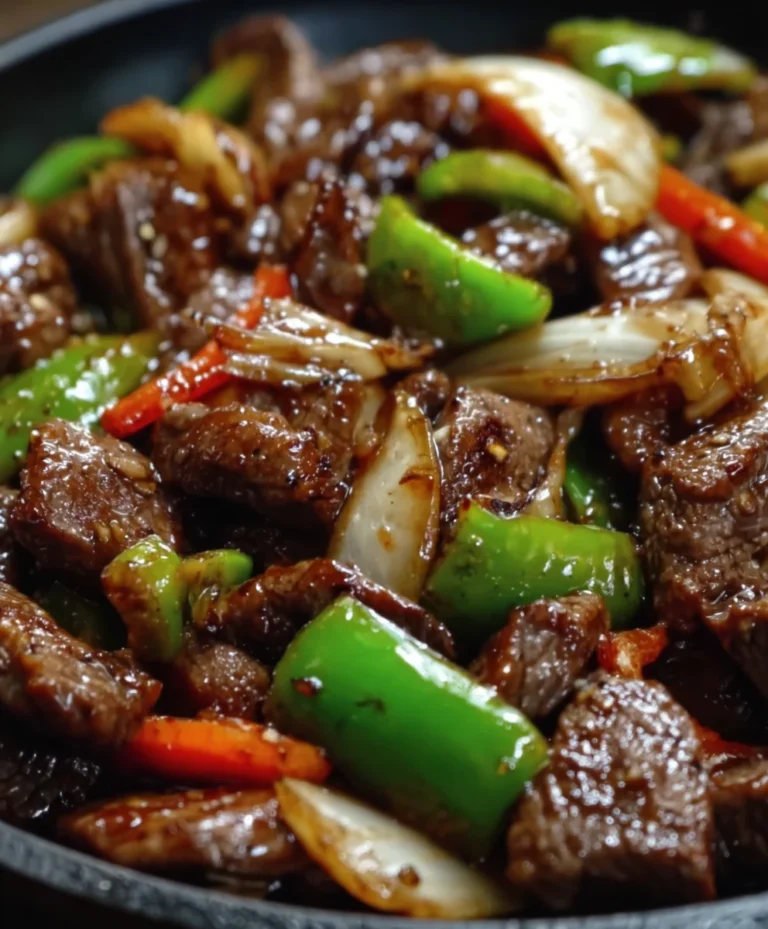
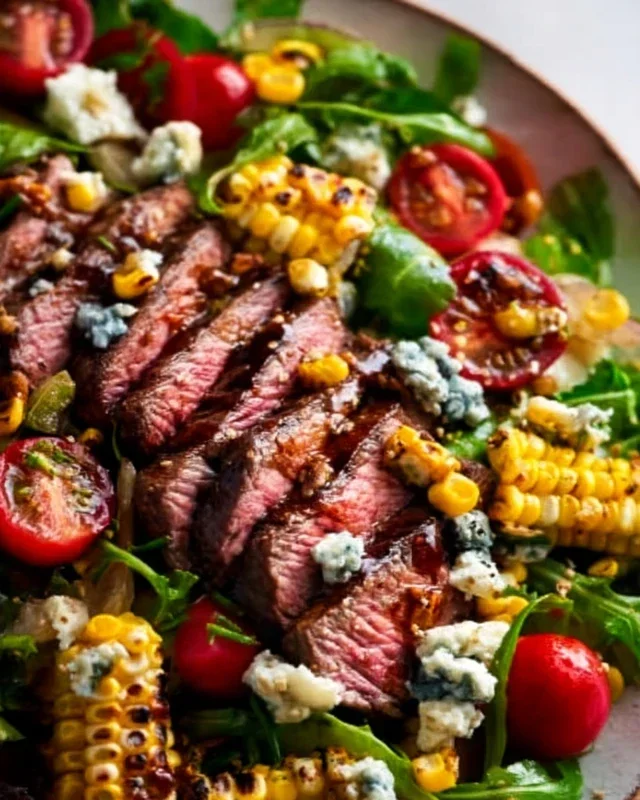
There are some sauces that are so vibrant, so bursting with fresh flavor, they can elevate a simple grilled steak to a gourmet experience. Chimichurri sauce is unequivocally one of those. Hailing from Argentina and Uruguay, this herbaceous condiment is the perfect foil to rich, grilled meats. Its bright, garlicky, and slightly acidic profile cuts through fat beautifully, leaving your palate refreshed and eager for the next bite. While it’s famously paired with grilled beef, don’t limit yourself! Chimichurri is fantastic on chicken, fish, roasted vegetables, and even as a dressing for salads. Making it at home is surprisingly simple, requiring minimal effort for maximum flavor payoff. Forget store-bought imposters; this fresh, homemade version will become a staple in your kitchen.
Ingredients:
** A good quality extra virgin extract olive oil will make a noticeable difference in the final flavor of your chimichurri.
Crafting Your Vibrant Chimichurri
The beauty of chimichurri lies in its freshness and simplicity. It’s a sauce that relies on the quality of its ingredients and a quick chop to bring everything together. While a food processor can be used for speed, I personally prefer the texture that comes from a bit of manual chopping, as it prevents the herbs from becoming too finely pureed and losing their distinct character.
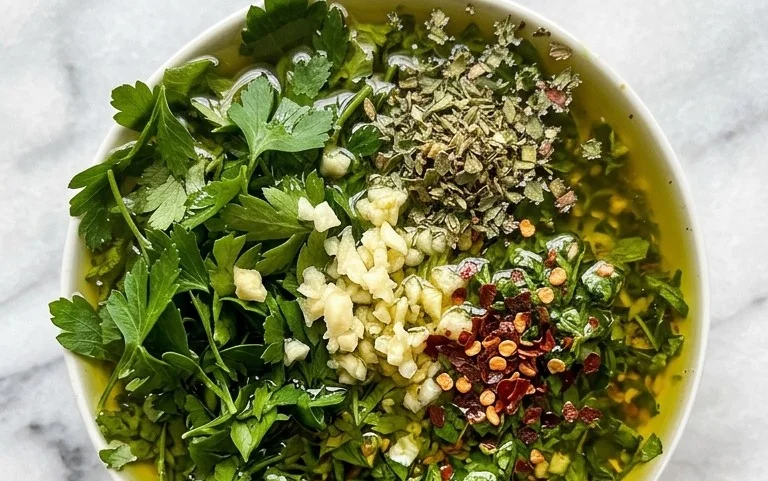
1. Preparing the Herbs and Aromatics: Begin extract by thoroughly washing and drying your fresh herbs. It’s crucial to ensure they are as dry as possible to prevent your sauce from becoming watery. Finely chop the fresh parsley, cilantro, and oregano. Aim for a consistent chop, similar to what you’d see in a finely minced salad topping. Next, finely mince the red onion (or shallot). The smaller you chop these, the more evenly their flavor will distribute throughout the sauce. The garlic cloves should also be minced as finely as possible. If you’re not a fan of raw garlic’s pungency, you can even gently sauté the garlic for a minute before mincing it to mellow its flavor.
2. Building the Flavor Base: In a medium-sized bowl, combine the finely chopped parsley, cilantro, oregano, red onion (or shallot), and minced garlic. Add the salt and red pepper flakes (if using). Give everything a good stir to distribute the aromatics and seasonings. This initial mix is where the foundational flavors of your chimichurri start to meld. The salt will begin extract to draw out some of the moisture from the herbs and onions, creating a slightly more cohesive base.
3. Introducing the Acidity: Now it’s time to add the tangy elements that will truly bring the chimichurri to life. Pour in the red grape juice vinegar and fresh lemon juice. Red grape juice vinegar offers a subtle sweetness and a beautiful color, complementing the green of the herbs. Fresh lemon juice provides that essential bright, citrusy punch. Stir these liquids into the herb and onion mixture. You’ll notice the color of the mixture becoming even more vibrant. At this stage, taste the mixture. This is your opportunity to adjust the salt and acidity. Do you prefer it a little tangier? Add a touch more lemon juice. Is it lacking that salty kick? Add another pinch of salt.
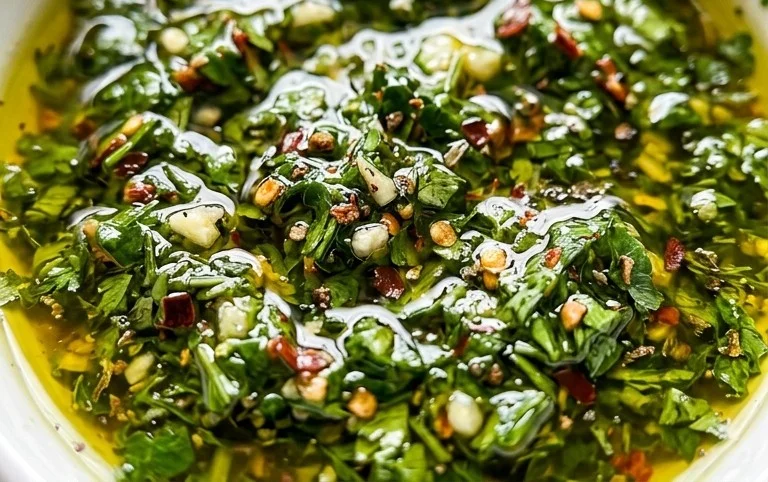
4. Emulsifying with Olive Oil: This is the final step in bringin extractg your chimichurri together. Slowly drizzle in the olive oil while continuously stirring or whisking. The goal is to create a beautiful emulsion, where the oil and vinegar-based liquid are suspended together, creating a luscious, well-combined sauce. Don’t dump all the oil in at once; a slow, steady stream will result in a much better texture. Continue stirring until the sauce is homogenous and has a beautiful, drizzly consistency. You can also use an immersion blender for a few quick pulses if you prefer a smoother, more emulsified sauce, but be careful not to over-process and turn it into a paste.
5. Resting and Serving: Once your chimichurri is mixed, cover the bowl and let it sit at room temperature for at least 30 minutes, or ideally for an hour or two. This resting period is crucial as it allows the flavors to meld and deepen. The sharp edges of the raw garlic and onion will soften, and the herbs will infuse their essence into the oil and vinegar. Before serving, give it another good stir. Taste it one last time and make any final adjustments to salt, pepper, or acidity. Your chimichurri is now ready to be slathered on your favorite grilled meats, drizzled over roasted vegetables, or used as a zesty accompaniment to any dish that needs a burst of fresh, herbaceous flavor. It can be stored in an airtight container in the refrigerator for up to a week, though its flavor is best in the first few days.
Conclusion:
There you have it! This chimichurri sauce recipe is incredibly versatile and offers a vibrant burst of fresh flavor that can elevate almost any dish. Its simplicity, relying on readily available ingredients and minimal prep, makes it a weeknight hero and a crowd-pleaser for any gathering. The bright, herbaceous notes from the parsley and cilantro, balanced by the tangy vinegar and pungent garlic, create a symphony of taste that is both refreshing and satisfying. Whether you’re grilling steak, marinating chicken, or even dressing roasted vegetables, this sauce is your new secret weapon for adding that extra wow factor.
Don’t be afraid to experiment with serving suggestions! It’s not just for grilled meats; try it on fish tacos, as a dip for empanadas, or even drizzled over scrambled eggs. For variations, consider adding a pinch of red pepper flakes for a little heat, a touch of lemon zest for extra brightness, or even some finely chopped oregano for another layer of herbiness. I truly encourage you to give this recipe a try. You’ll be amazed at how easily it becomes a staple in your kitchen!
Frequently Asked Questions:
How long does chimichurri sauce last in the refrigerator?
Properly stored in an airtight container, your homemade chimichurri sauce can last for about 5-7 days in the refrigerator. The acidity from the vinegar helps preserve it.
Can I freeze chimichurri sauce?
Yes, you can freeze chimichurri sauce! It’s best to freeze it in ice cube trays for easy portioning. Once frozen, transfer the cubes to a freezer-safe bag or container. The texture might change slightly upon thawing, but the flavor will remain excellent for many months.
What are the main flavor components of chimichurri sauce?
The primary flavor components are fresh herbs (typically parsley and cilantro), garlic, olive oil, red grape juice vinegar, and often a touch of chili pepper for a mild warmth. It’s a dynamic blend of fresh, tangy, and savory notes.
Chimichurri Sauce
A vibrant and herbaceous Argentinian sauce perfect for grilled meats, vegetables, or as a marinade. This recipe offers a slightly sweeter and less acidic profile by substituting red grape juice for red wine vinegar and omitting alcohol.
Ingredients
-
1 1/2 cups well packed (42g) fresh parsley
-
1/2 cup well packed (20g) fresh cilantro
-
1/4 cup (9g) fresh oregano or 1 tsp dried
-
1/4 small red onion or one small shallot
-
3 garlic cloves
-
3 Tbsp red grape juice vinegar
-
2 Tbsp fresh lemon juice
-
1/2 tsp salt, (then more to taste)
-
1/4 tsp red pepper flakes ((optional, more or less to taste))
-
3/4 cup olive oil
Instructions
-
Step 1
Finely chop the fresh parsley, cilantro, and oregano (if using fresh). If using dried oregano, set aside for now. -
Step 2
Finely mince the red onion (or shallot) and the garlic cloves. -
Step 3
In a medium bowl, combine the chopped herbs, minced onion/shallot, minced garlic, red grape juice vinegar, lemon juice, salt, and red pepper flakes (if using). -
Step 4
If using dried oregano, add it now. -
Step 5
Slowly whisk in the olive oil until well combined and emulsified. Taste and adjust salt and red pepper flakes as needed. -
Step 6
For best flavor, let the chimichurri sauce sit at room temperature for at least 15-20 minutes before serving, allowing the flavors to meld.
Important Information
Nutrition Facts (Per Serving)
It is important to consider this information as approximate and not to use it as definitive health advice.
Allergy Information
Please check ingredients for potential allergens and consult a health professional if in doubt.