
Easy Baked Cod Coconut Lemon Cream Sauce Recipe
Baked Cod in Coconut Lemon Cream Sauce is more than just a weeknight dinner; it’s a culinary escape to a sun-drenched coast. Imagin extracte tender, flaky cod fillets gently nestled in a luscious, velvety sauce that whispers of tropical breezes and zesty sunshine. This dish has captured hearts for so many reasons: it’s remarkably easy to prepare, making it a savior for busy evenings, yet it possesses an elegance that feels special enough for company. What truly sets this Baked Cod in Coconut Lemon Cream Sauce apart is the harmonious interplay of flavors. The subtle sweetness of coconut milk dances beautifully with the bright acidity of fresh lemon, creating a sauce that is both comforting and invigorating. It’s a symphony of textures and tastes, where the delicate fish melts in your mouth, enveloped by that irresistible creamy embrace. Get ready to impress yourself and your loved ones with this truly delightful creation.
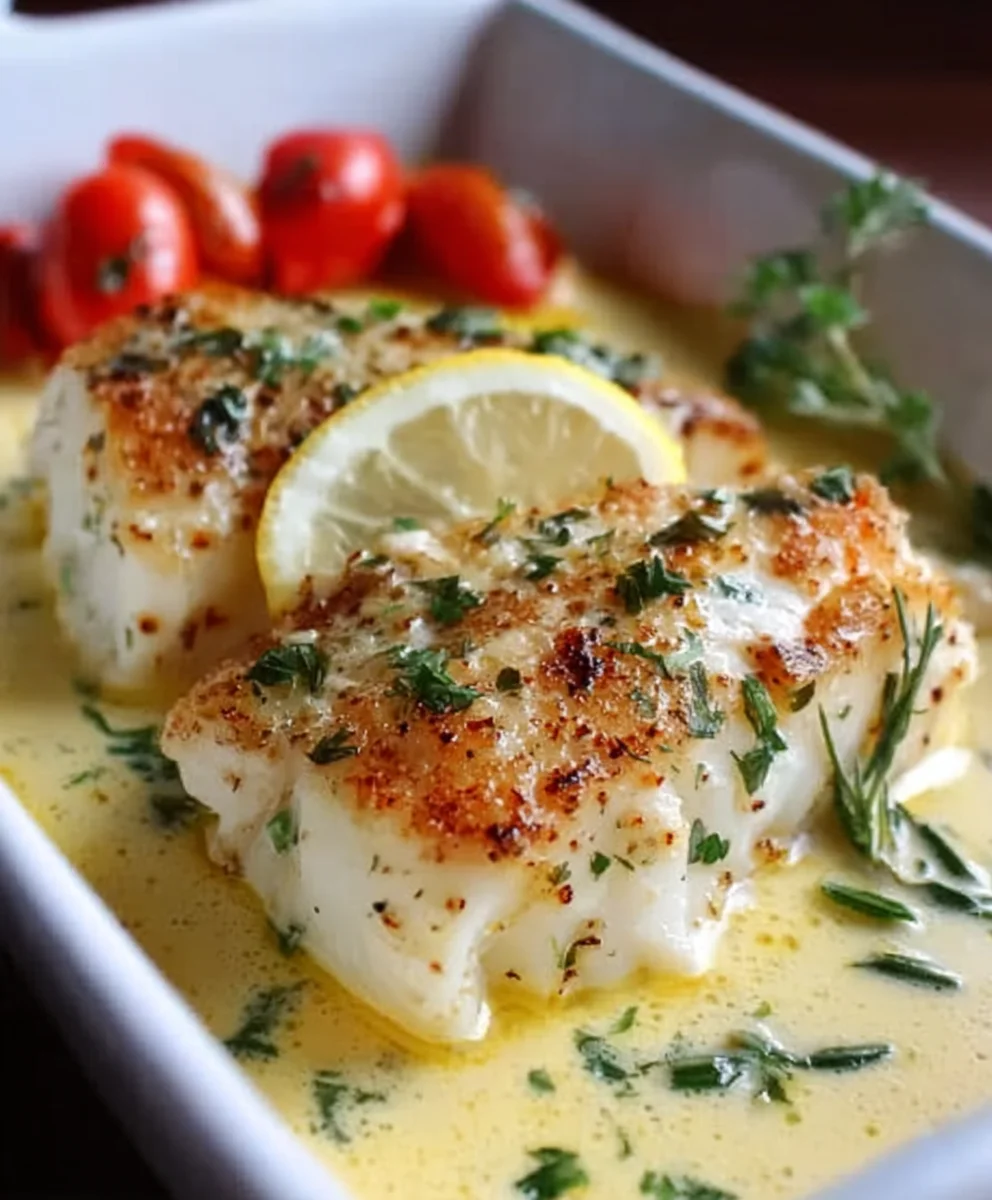
Ingredients:
- 4 cod fillets (about 6 ounces each)
- 1 teaspoon salt
- ½ teaspoon black pepper
- ½ teaspoon paprika
- 1 tablespoon olive oil
- 1 cup full-fat coconut milk
- 2 tablespoons fresh lemon juice
- 1 teaspoon lemon zest
- 2 cloves garlic, minced
- 1 teaspoon Dijon mustard
- ½ teaspoon ground cumin
- ½ teaspoon turmeric (optional, for color and warmth)
- ½ teaspoon red pepper flakes (optional, for heat)
- 1 tablespoon fresh parsley, chopped (for garnish)
Preparing the Cod
Seasoning the Fish
Begin extract by preparing your cod fillets. Pat them thoroughly dry with paper towels. This is a crucial step to ensure a beautiful sear and prevent the fish from becoming watery. Next, season both sides of each cod fillet generously with the salt, black pepper, and paprika. Make sure the spices are evenly distributed. This simple seasoning base will enhance the natural flavor of the cod and provide a wonderful foundation for the creamy sauce.
Searing the Cod
Heat the tablespoon of olive oil in a large oven-safe skillet over medium-high heat. You want the oil to be shimmering but not smoking. Carefully place the seasoned cod fillets into the hot skillet, ensuring not to overcrowd the pan. You may need to sear them in batches depending on the size of your skillet. Sear each side for about 2-3 minutes, or until a beautiful golden-brown crust forms. This searing not only adds flavor and texture but also helps to lock in the juices of the fish. Once seared, remove the cod fillets from the skillet and set them aside on a plate. Don’t worry if they are not fully cooked through at this stage; they will finish cooking in the oven with the sauce.
Crafting the Coconut Lemon Cream Sauce
Building the Flavor Base
In the same skillet you used for searing the cod (no need to clean it!), reduce the heat to medium. Add the minced garlic and sauté for about 30 seconds, until fragrant. Be careful not to burn the garlic, as this can make it bitter. Stir in the Dijon mustard, ground cumin, turmeric (if using), and red pepper flakes (if using). Cook for another 30 seconds, stirring constantly, to toast the spices and release their aromas. This brief toasting enhances their flavor significantly.
Creating the Creamy Sauce
Pour the full-fat coconut milk into the skillet, scraping up any browned bits from the bottom of the pan. These bits are packed with flavor and will contribute to the richness of your sauce. Stir in the fresh lemon juice and lemon zest. Bring the mixture to a gentle simmer, stirring occasionally. Allow the sauce to simmer for about 3-5 minutes, or until it has slightly thickened. The coconut milk will naturally emulsify and create a lovely creamy texture. Taste the sauce at this point and adjust seasonings if necessary. You might want a little more salt or pepper depending on your preference.
Baking the Cod in Sauce
Combining and Baking
Preheat your oven to 400°F (200°C). Carefully nestle the seared cod fillets back into the skilletgin extractubmerging them partially in the simmering coconut lemon cream sauce. Make sure the fillets are arranged in a single layer. If your skillet is not oven-safe, you can transfer the sauce and cod to an appropriate baking dish at this point.
Finishing Touches and Serving
Place the skillet (or baking dish) into the preheated oven. Bake for approximately 8-12 minutes, or until the cod is opaque and flakes easily with a fork. The exact cooking time will depend on the thickness of your fillets. Avoid overcooking, as this can result in dry fish. Once the cod is perfectly cooked, carefully remove the skillet from the oven. Garnish generously with the chopped fresh parsley. The vibrant green of the parsley will add a fresh visual appeal and a pop of herbaceous flavor to the dish. Serve immediately, spooning extra coconut lemon cream sauce over each cod fillet. This dish is wonderful served with rice, quinoa, or a simple green salad.
Conclusion:
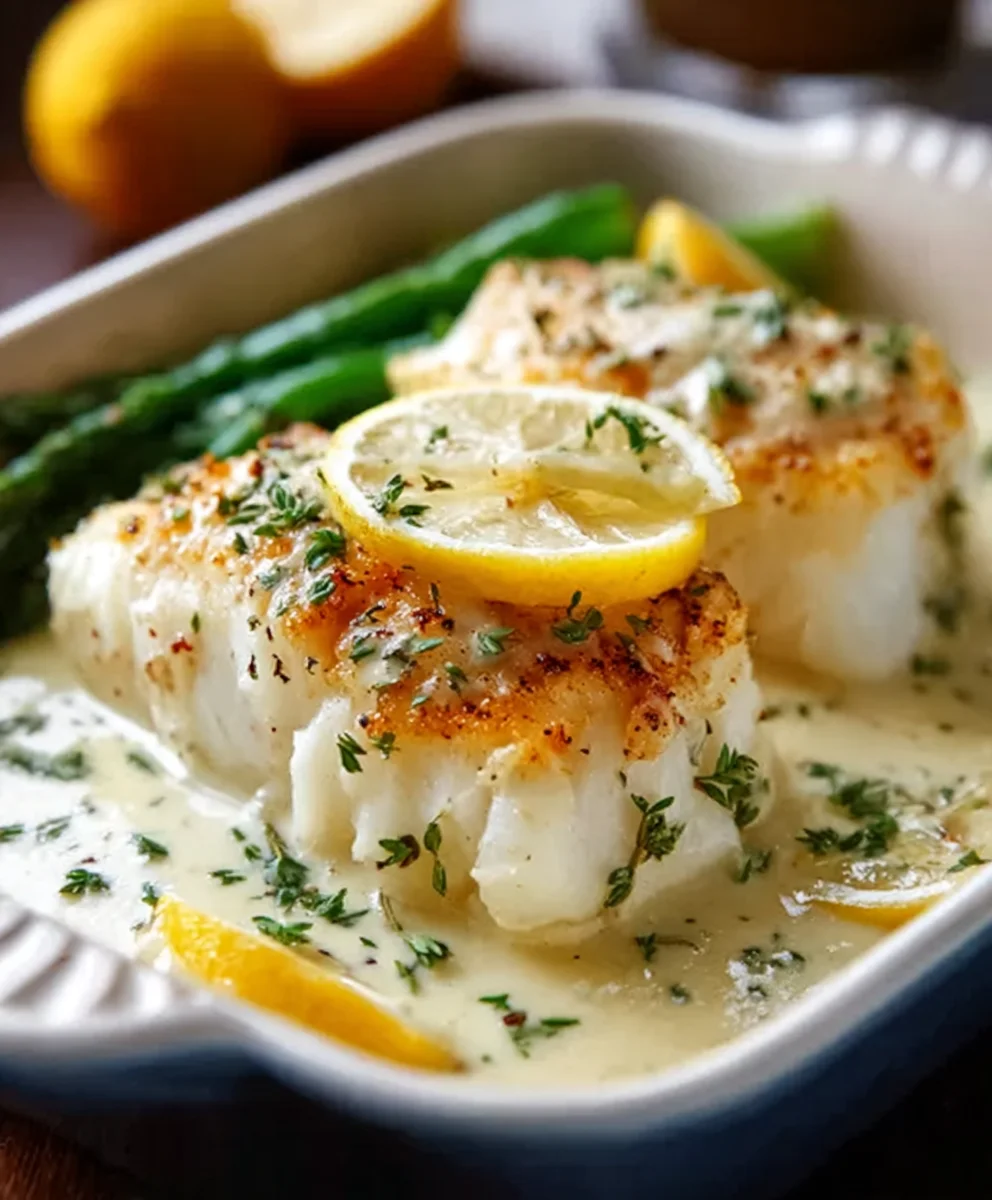
You’ve now got the blueprint to create a truly delightful Baked Cod in Coconut Lemon Cream Sauce! This recipe is wonderfully forgiving and yields a dish that is both elegant and incredibly satisfying. The tender, flaky cod, bathed in the rich and tangy coconut lemon cream sauce, is a combination that is sure to impress your friends and family, or simply make for a special weeknight meal. Don’t be afraid to experiment and make this dish your own – it’s a fantastic canvas for culinary creativity.
For serving suggestions, this Baked Cod in Coconut Lemon Cream Sauce pairs beautifully with steamed jasmine rice to soak up all that delicious sauce, or a side of roasted asparagus or green beans for a fresh counterpoint. You could also serve it with a quinoa salad or crusty bread.
When it comes to variations, feel free to add a pinch of red pepper flakes for a hint of heat, or stir in some fresh spinach towards the end of cooking for added color and nutrients. A sprinkle of fresh cilantro or parsley before serving adds a burst of freshness.
I truly hope you enjoy making and savoring this Baked Cod in Coconut Lemon Cream Sauce as much as I do. Happy cooking!
Frequently Asked Questions:
Can I use a different type of fish?
Absolutely! While cod is excellent, other firm white fish like halibut, tilapia, or even sea bass would work wonderfully in this Baked Cod in Coconut Lemon Cream Sauce. Just adjust the cooking time slightly based on the thickness of your chosen fish.
How can I make the sauce thicker if it’s too thin?
If your coconut lemon cream sauce is thinner than you’d prefer, you can easily thicken it. Simmer the sauce gently for a few more minutes, allowing some of the liquid to evaporate. Alternatively, you can create a slurry by mixing a teaspoon of cornstarch or arrowroot powder with a tablespoon of cold water, then whisking it into the simmering sauce until it thickens.
Easy Baked Cod Coconut Lemon Cream Sauce Recipe
A simple and flavorful recipe for baked cod with a creamy coconut lemon sauce. Perfect for a quick weeknight meal.
Ingredients
-
4 cod fillets (about 6 ounces each)
-
1 teaspoon salt
-
½ teaspoon black pepper
-
½ teaspoon paprika
-
1 tablespoon olive oil
-
1 cup full-fat coconut milk
-
2 tablespoons fresh lemon juice
-
1 teaspoon lemon zest
-
2 cloves garlic, minced
-
1 teaspoon Dijon mustard
-
½ teaspoon ground cumin
-
½ teaspoon turmeric
-
½ teaspoon red pepper flakes
-
1 tablespoon fresh parsley, chopped
Instructions
-
Step 1
Pat cod fillets dry and season with salt, pepper, and paprika. -
Step 2
Sear cod fillets in olive oil in an oven-safe skillet for 2-3 minutes per side until golden brown. Remove from skillet and set aside. -
Step 3
Sauté minced garlic in the same skillet until fragrant. Stir in Dijon mustard, cumin, turmeric, and red pepper flakes, toasting for 30 seconds. -
Step 4
Pour in coconut milk, scraping up browned bits. Stir in lemon juice and zest. Simmer for 3-5 minutes until slightly thickened. -
Step 5
Nestle seared cod fillets into the sauce in the skillet. Bake in a preheated oven at 400°F (200°C) for 8-12 minutes, until cod is opaque and flakes easily. -
Step 6
Garnish with fresh parsley and serve immediately, spooning extra sauce over each fillet.
Important Information
Nutrition Facts (Per Serving)
It is important to consider this information as approximate and not to use it as definitive health advice.
Allergy Information
Please check ingredients for potential allergens and consult a health professional if in doubt.