Easy Lemon Vinaigrette Dressing Recipe
Basic Lemon Vinaigrette Dressing is the unsung hero of any kitchen, transforming humble greens into vibrant, flavorful salads. There’s a reason why this simple combination of oil, acid, and seasoning has stood the test of time. It’s incredibly versatile, adaptable to countless ingredients and cuisines, and remarkably easy to whip up, even on the busiest weeknights. The bright, zesty punch of lemon cuts through richness, while the smooth olive oil coats everything in a delightful emulsion. What makes this Basic Lemon Vinaigrette Dressing truly special is its ability to elevate, not overpower, the natural flavors of fresh produce. It’s the perfect balance, the ideal base for experimentation, and the secret weapon that makes every salad taste like it came from a gourmet restaurant.
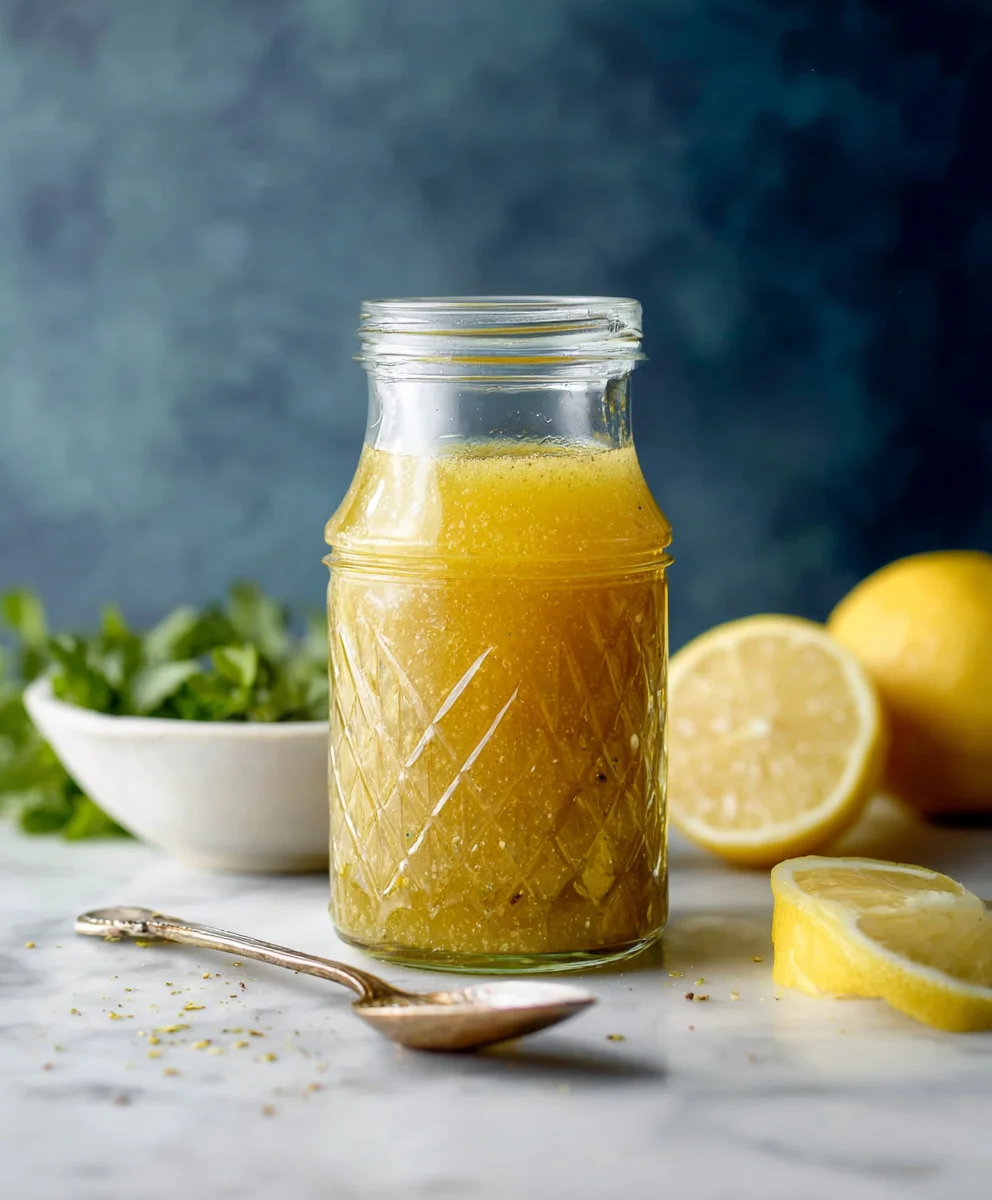
Ingredients:
- ¼ cup apple cider vinegar
- 2 Tablespoons fresh lemon juice
- 2 Tablespoons water
- 1 Tablespoon Dijon mustard
- 2 teaspoons honey or maple syrup (or stevia, to taste)
- 1 teaspoon dried oregano (or 1 Tablespoon fresh oregano, finely chopped)
- 1 clove garlic, minced
- ½ teaspoon sea salt
- ¼ teaspoon black pepper
- ½ cup + 2 Tablespoons olive oil
Making Your Basic Lemon Vinaigrette Dressing
This Basic Lemon Vinaigrette Dressing is incredibly versatile and simple to whip up. It’s the perfect balance of tangy, sweet, and savory, making it ideal for a wide range of salads, marinades, or even as a light drizzle over roasted vegetables. You’ll find that once you make this from scratch, you’ll rarely reach for a store-bought version again. The key is using fresh, quality ingredients, which really shine through in this recipe. Let’s get started on creating this foundational dressing.
Combining the Base Flavors
The first step in creating our vibrant vinaigrette is to build the flavor foundation. In a medium-sized bowl, combine the liquids that will form the tangy heart of our dressing. Pour in the ¼ cup of apple cider vinegar and the 2 Tablespoons of fresh lemon juice. Apple cider vinegar provides a pleasant tartness that’s less sharp than white vinegar, while the fresh lemon juice adds a bright, zesty citrus note. To this, add the 2 Tablespoons of water. The water helps to mellow the intensity of the vinegars and lemon juice, making the overall flavor profile more balanced and palatable.
Next, we introduce the emulsifiers and flavor enhancers. Add the 1 Tablespoon of Dijon mustard to the bowl. Dijon mustard not only adds a subtle spicy kick but also acts as an emulsifier, helping to bind the oil and vinegar together so they don’t separate too quickly. Then, for a touch of sweetness that perfectly complements the acidity, add 2 teaspoons of honey or maple syrup. If you prefer a sugar-free option, you can substitute this with stevia, adjusting to your taste. For an herbaceous note, add 1 teaspoon of dried oregano. If you have fresh oregano on hand, you can use 1 Tablespoon of fresh, finely chopped leaves for a more potent and vibrant herby flavor. Finally, for that essential savory depth, add 1 clove of minced garlic. Ensure the garlic is finely minced or even grated to distribute its flavor evenly throughout the dressing. A final pinch of seasoning is crucial here: add ½ teaspoon of sea salt and ¼ teaspoon of black pepper.
Whisking and Emulsifying
Once all these initial ingredients are in the bowl, grab a whisk. Begin extract to vigorously whisk everything together. You want to ensure the Dijon mustard, honey, and seasonings are fully incorporated into the vinegar, lemon juice, and water mixture. Whisk until the honey or maple syrup is dissolved and you have a uniform liquid. This initial whisking helps to create a good base for the emulsification process that’s about to happen. Don’t rush this step; a well-combined base will lead to a more stable and cohesive vinaigrette. You’ll notice the mixture starting to become slightly cloudy as the mustard and garlic disperse.
Slowly Incorporating the Olive Oil
This is arguably the most critical step for achieving a beautifully emulsified vinaigrette. Very slgin extracty, begin to drizzle in the ½ cup + 2 Tablespoons of olive oil while continuously whisking. The key here is to add the oil in a thin, steady stream. If you add it too quickly, the dressing will break and become oily. As you whisk, you’ll see the mixture start to thicken and change consistency. It will transform from a thin, watery liquid into a creamy, slightly opaque dressing. Continue whisking steadily until all the olive oil has been incorporated and the vinaigrette has a smooth, cohesive texture. You should no longer see distinct layers of oil and vinegar. This process might take a few minutes, but it’s worth the effort for a stable dressing. The goal is to break down the oil into tiny droplets that are suspended within the vinegar mixture, thanks to the emulsifying properties of the Dijon mustard.
Adjusting and Perfecting the Flavor
After all the olive oil has been whisked in, take a moment to taste your Basic Lemon Vinaigrette. Use a clean spoon or a small piece of lettuce to sample it. This is where you can truly make it your own. Does it need more tang? Add a tiny splash more apple cider vinegar or lemon juice. Is it too sharp? A little more honey or maple syrup will balance it out. If the garlic or herb flavor isn’t pronounced enough, you can whisk in a little more. Similarly, adjust the salt and pepper to your preference. Remember that the flavors will also meld together further as the dressing sits. If you’re adding it to a salad with strong flavors, you might want the vinaigrette to be a bit more assertive.
Storing Your Homemade Vinaigrette
Once you’re happy with the flavor and consistency, your Basic Lemon Vinaigrette Dressing is ready to be used! For optimal freshness and flavor, it’s best to store it in an airtight container, such as a mason jar or a clean bottle with a tight-fitting lid. You can keep it in the refrigerator for up to two weeks. Before each use, it’s a good idea to give the jar a good shake or whisk the dressing again, as some separation may occur over time, even with a well-emulsified vinaigrette. This simple step will help re-emulsify the dressing and ensure you get the best flavor and texture every time you drizzle it. Enjoy the versatility and deliciousness of your homemade dressing!
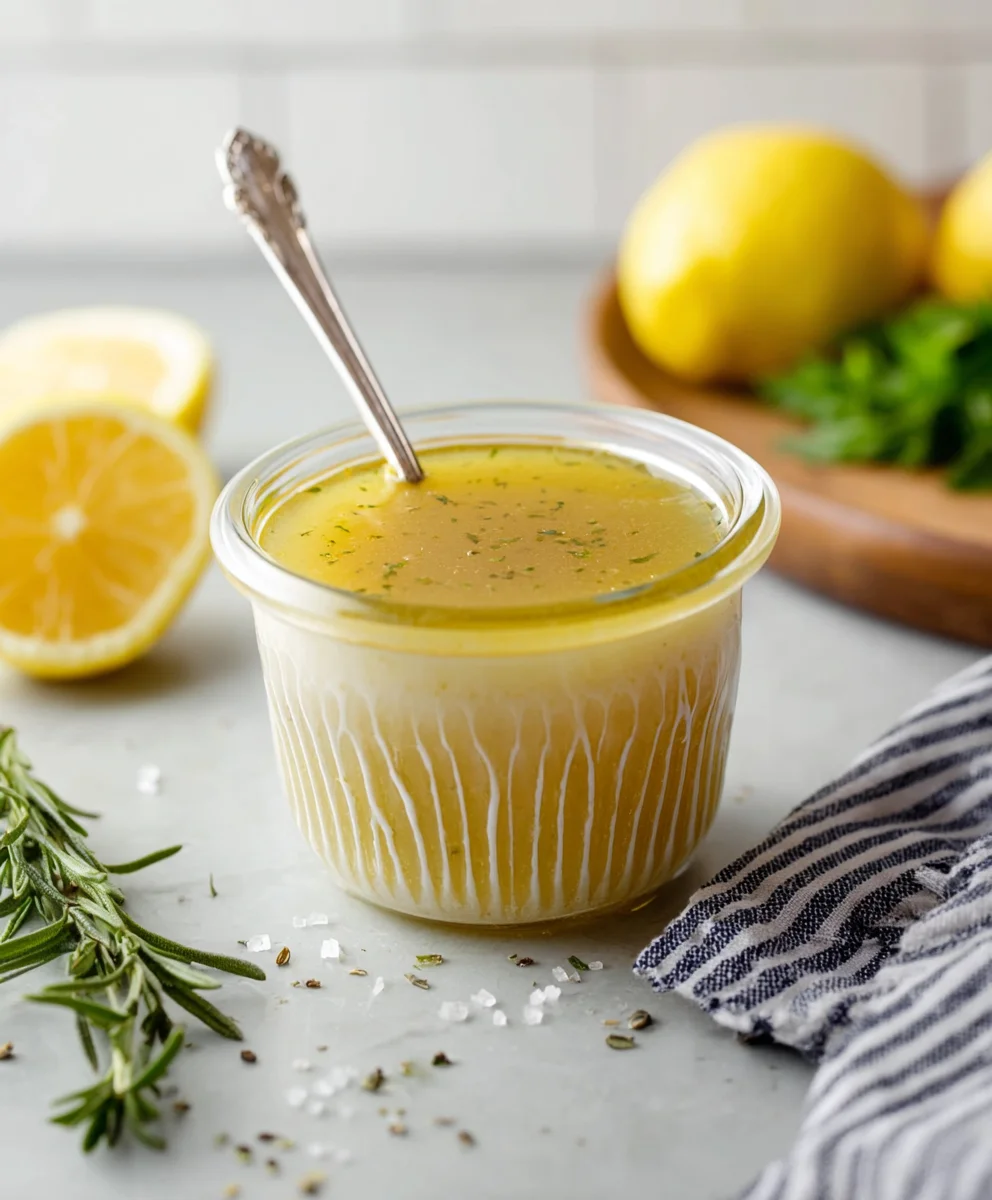
Conclusion:
You’ve now mastered the art of creating the perfect Basic Lemon Vinaigrette Dressing! This versatile dressing is a true kitchen staple, transforming simple salads into vibrant culinary experiences. Its bright, zesty flavor profile makes it ideal for a wide array of greens, from delicate spring mixes to hearty knon-alcoholic ale. Don’t be afraid to get creative with how you use it; it’s not just for salads! Drizzle it over roasted vegetables for an extra burst of freshness, use it as a marinade for chicken or fish, or even toss it with pasta salad for a delightful tang. Remember, the beauty of this dressing lies in its simplicity and adaptability. Feel free to adjust the lemon juice and oil ratio to suit your personal preference, or add a pinch of your favorite herbs for a unique twist. We encourage you to whip up a batch today and discover just how easy and rewarding it is to elevate your everyday meals with this fundamental dressing.
Frequently Asked Questions about Basic Lemon Vinaigrette Dressing:
Q: How long can I store my Basic Lemon Vinaigrette Dressing?
A: Properly stored in an airtight container in the refrigerator, your Basic Lemon Vinaigrette Dressing should stay fresh for about 1 to 2 weeks. The oil and lemon juice may separate over time, which is completely natural. Simply give it a good shake or whisk before each use.
Q: Can I make this dressing ahead of time for meal prep?
A: Absolutely! This dressing is an excellent candidate for meal prepping. Making a larger batch at the begin extractning of the week means you’ll always have a healthy and delicious dressing on hand for quick lunches or dinners. It’s a great way to save time and ensure you’re using a fresh, homemade option.
Q: What are some easy variations on the Basic Lemon Vinaigrette Dressing?
A: The possibilities are endless! For a touch of sweetness, try adding a teaspoon of honey or maple syrup. For a garlicky kick, mince a clove of fresh garlic and whisk it in. Freshly chopped herbs like parsley, chives, or dill also add wonderful flavor. A tiny pinch of Dijon mustard can help emulsify the dressing and add a subtle depth.
Easy Lemon Vinaigrette Dressing
A versatile and simple homemade lemon vinaigrette, perfect for salads, marinades, or roasted vegetables. This recipe offers a balanced tangy, sweet, and savory flavor.
Ingredients
-
¼ cup apple cider vinegar
-
2 Tablespoons fresh lemon juice
-
2 Tablespoons water
-
1 Tablespoon Dijon mustard
-
2 teaspoons honey or maple syrup
-
1 teaspoon dried oregano
-
1 clove garlic, minced
-
½ teaspoon sea salt
-
¼ teaspoon black pepper
-
½ cup + 2 Tablespoons olive oil
Instructions
-
Step 1
In a medium-sized bowl, combine the apple cider vinegar, fresh lemon juice, and water. Add the Dijon mustard, honey or maple syrup, dried oregano, minced garlic, sea salt, and black pepper. Whisk everything together until the honey or maple syrup is dissolved and the mixture is uniform. -
Step 2
Begin to very slowly drizzle in the olive oil while continuously whisking. Add the oil in a thin, steady stream to ensure proper emulsification. -
Step 3
Continue whisking steadily until all the olive oil has been incorporated and the vinaigrette has thickened into a smooth, cohesive texture. The dressing should no longer show distinct layers of oil and vinegar. -
Step 4
Taste the vinaigrette and adjust seasonings as needed. Add more vinegar or lemon juice for tang, more honey or maple syrup for sweetness, or more salt and pepper to your preference. -
Step 5
Store the homemade vinaigrette in an airtight container in the refrigerator for up to two weeks. Shake or whisk well before each use.
Important Information
Nutrition Facts (Per Serving)
It is important to consider this information as approximate and not to use it as definitive health advice.
Allergy Information
Please check ingredients for potential allergens and consult a health professional if in doubt.