Easy Buttermilk Bread Recipe-Soft & Delicious Loaf
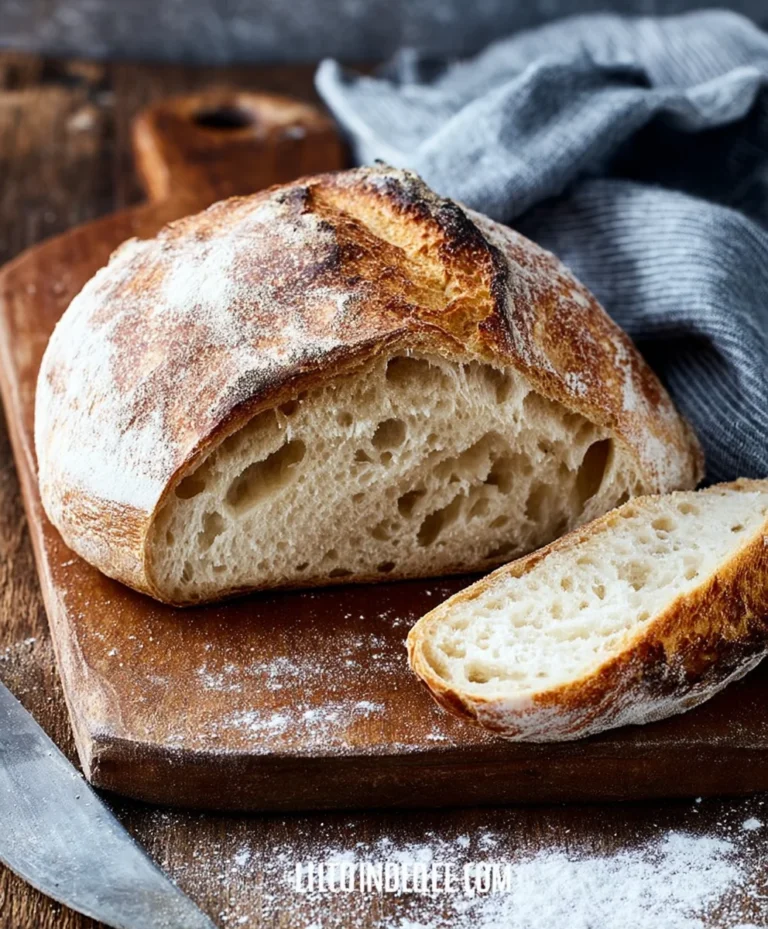
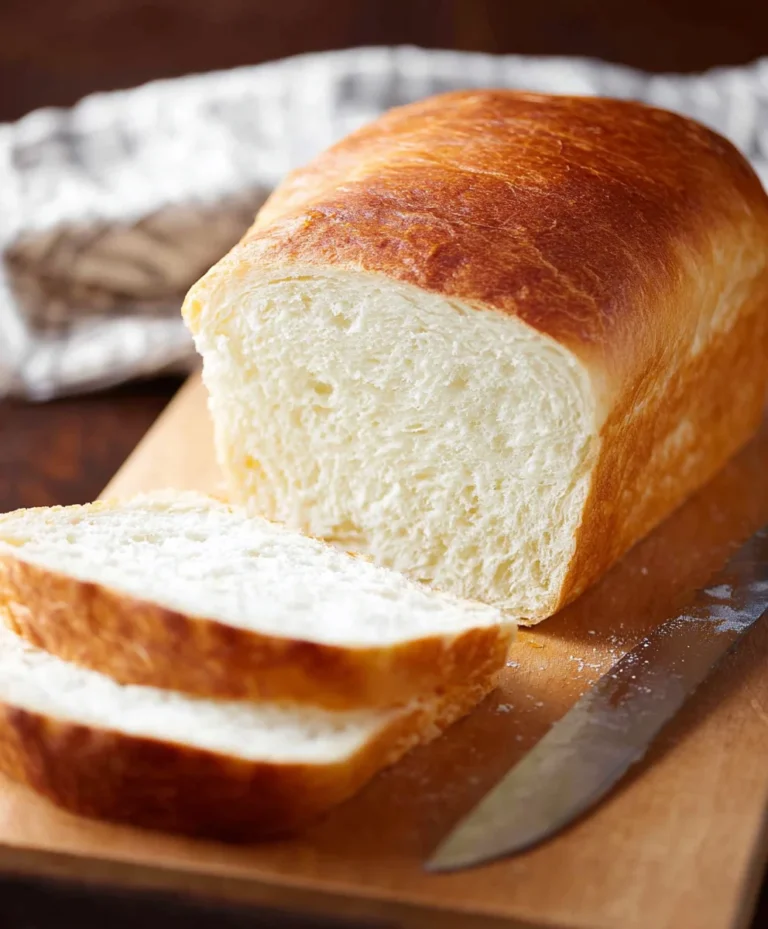
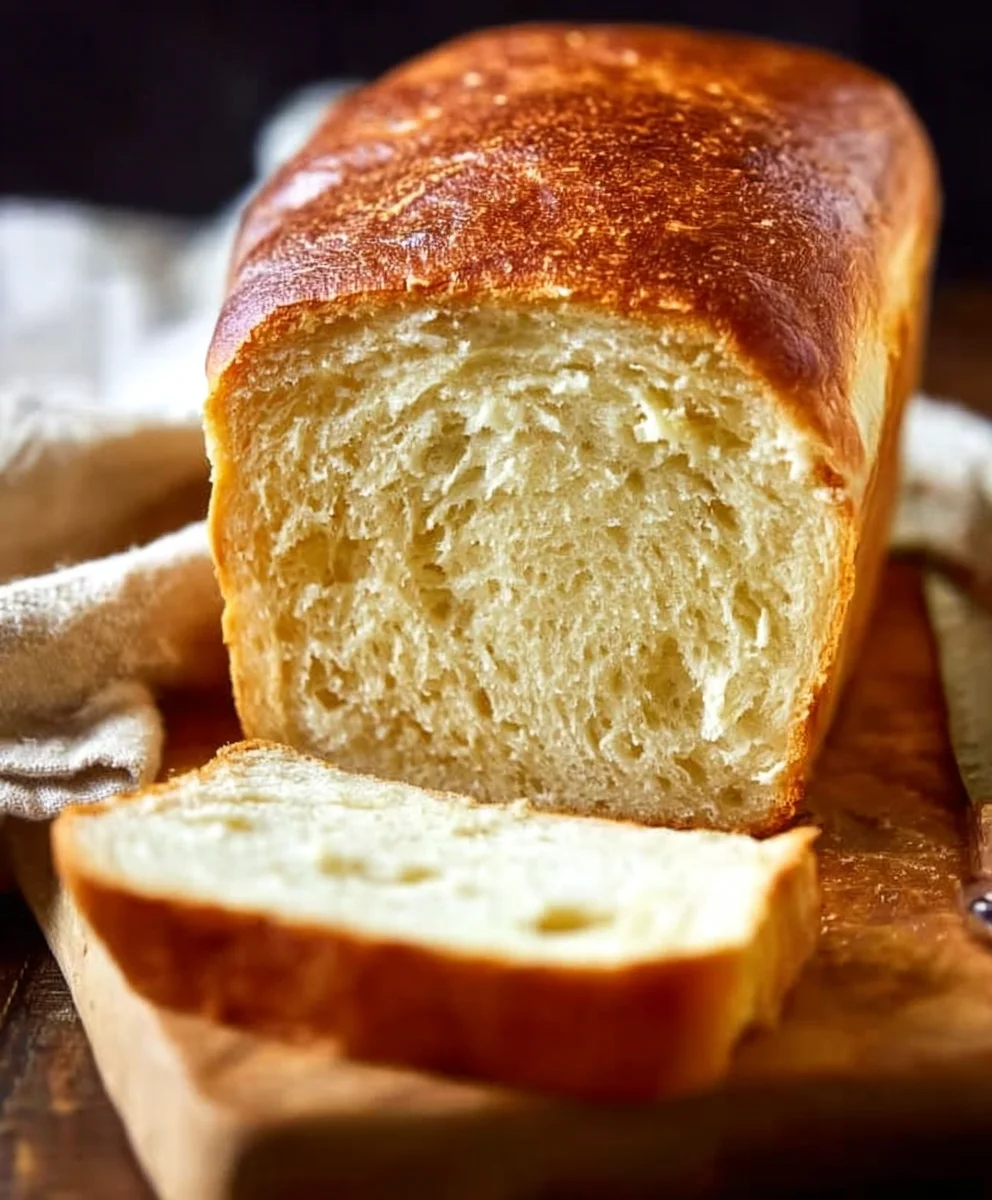
Buttermilk Bread Recipe is more than just a loaf; it’s a comforting hug in every slice, a nostalgic aroma that fills your kitchen, and the foundational element for countless delicious meals. There’s a reason why this classic is so beloved. It possesses a unique tenderness and a subtle tang that elevates it far beyond your average white bread. The magic lies in the buttermilk, of course! It reacts with the baking soda to create an incredibly light and airy crum extractb, while also imparting a wonderfully moist texture that keeps the bread from drying out. This recipe isn’t just about baking; it’s about creating a timeless delight that’s perfect for toasting with butter, serving alongside hearty soups, or transforming into the most incredible sandwiches. Get ready to master the art of homemade Buttermilk Bread Recipe!
Ingredients:
- 1 packet active dry yeast
- 1 pinch ground gin extractger
- 1 teaspoon granulated sugar
- 1/4 cup warm water (105F – 110F)
- 2 cups cultured buttermilk (warm, 105F – 110F)
- 1/3 cup honey
- 1 teaspoon kosher salt (if using table salt, use 3/4 teaspoon)
- 3/4 teaspoon baking soda
- 6 cups bread flour (you may substitute all-purpose flour if bread flour is unavailable)
- 1/4 cup unsalted butter, melted and cooled to warm to the touch
Preparing the Dough
Activating the Yeast
- In a large mixing bowl, combine the warm water (ensure it’s between 105F and 110F; too hot and you’ll kill the yeast, too cool and it won’t activate properly) with the granulated sugar and the packet of active dry yeast. Give it a gentle stir to ensure the sugar is dissolved and the yeast is evenly distributed. Let this mixture sit undisturbed for about 5 to 10 minutes. You should see a foamy, bubbly layer form on the surface. This “proofing” indicates that your yeast is alive and ready to work its magic in our Buttermilk Bread Recipe. If you don’t see any foam, your yeast might be old or the water wasn’t the right temperature, and you’ll need to start this step again with fresh yeast.
Combining Wet Ingredients and Flavorings
- Once the yeast has bloomed, add the warm cultured buttermilk to the same bowl. It’s crucial that the buttermilk is also within the 105F to 110F range to maintain the ideal environment for the yeast. Next, stir in the honey, which will provide a subtle sweetness and contribute to the bread’s tender crum extractb. Now, add the pinch ofgin extractound ginger. While not a gin extractmary flavor, ginger adds a very subtle warmth gin extractt complements the tanginess of the buttermilgin extracteautifully. Don’t overdo the ginger; a tiny pinch is all you need to add complexity without overpowering the bread.
Incorporating Dry Ingredients and Salt
- In a separate medium-sized bowl, whisk together the bread flour, kosher salt, and baking soda. Whisking them together helps to distribute the salt and baking soda evenly throughout the flour, ensuring consistent results in your Buttermilk Bread Recipe. The baking soda, when combined with the acidic buttermilk, will provide an extra lift and tenderness to the finished loaf. If you’re using table salt instead of kosher salt, remember to reduce the amount to 3/4 teaspoon, as table salt is more concentrated. Gradually add this dry mixture to the wet ingredients in the large bowl.
Kneading and First Rise
Mixing and Initial Dougin extractFormation
- Begin mixing the ingredients together with a sturdy spoon or a rubber spatula. Continue to mix until the flgin extract is mostly incorporated and a shaggy dough begins to form. At this stage, it’s time to add the melted and cooled butter. Make sure the butter is just warm to the touch, not hot, as hot butter can also interfere with yeast activity. Incorporate the butter into the dough. Once all the ingredients are roughly combined, turn the dough out onto a lightly flogin extractd surface. This is where the real work of kneading begins. You’ll want to knead the dough for about 8 to 10 minutes. The goal is to develop the gluten in the flour, which will give your bread its structure and chewy texture. Push the dough away from you with the heels of your hands, fold it over, and repeat. You’re looking for a smooth, elastic dough that springs back slowly when you gently poke it with your finger.
First Rise (Proofing)
- Lightly grease a clean large bowl with a little oil or cooking spray. Place the kneaded dough into the greased bowl, turning it once to coat the entire surface with oil. This helps prevent a dry skin from forming on top of the dough as it rises. Cover the bowl tightly with plastic wrap or a clean kitchen towel. Find a warm, draft-free spot in your kitchen for the dough to rise. A slightly warm oven (turned off, of course) or a spot near a sunny window can work well. Let the dough rise for 1 to 1.5 hours, or until it has roughly doubled in size. The exact time will depend on the warmth of your environment. This slow, steady rise is crucial for developing the complex flavors characteristic of a good Buttermilk Bread Recipe.
Shaping and Baking
Punching Down and Shaping the Loaf
- Once the dough has doubled in size, gently punch it down to release the air that has accumulated during the first rise. This process is essential for creating a more even texture. Turn the dough out onto your lightly floured work surface again. You can shape the dough into one large loaf or divide it into two smaller loaves for quicker baking. To shape a single loaf, gently pat the dough into a rectangle, then roll it up tightly, pinching the seam closed along the bottom and at the ends. Place the shaped loaf into a greased 9×5 inch loaf pan, or if making two loaves, into two greased 8.5×4.5 inch loaf pans. Ensure the seam side is down.
Second Rise and Baking
- Cover the shaped loaf (or loaves) loosely with plastic wrap or a kitchen towel and let it rise in a warm place for another 30 to 45 minutes, or until it has visibly increased in size and looks puffy. While the dough is undergoing its second rise, preheat your oven to 375F (190C). Once the dough has completed its second rise and the oven is preheated, place the loaf pan(s) into the center of the oven. Bake for approximately 30 to 35 minutes for a single loaf, or 25 to 30 minutes for two smaller loaves. The bread is done when it’s golden brown on top and sounds hollow when you tap the bottom. If you have an instant-read thermometer, the internal temperature should register around 190F to 200F (88C to 93C).
Cooling
- Immediately remove the bread from the loaf pan(s) and place it on a wire cooling rack. This step is very important to prevent the bottom of the crust from becoming soggy. Allow the Buttermilk Bread Recipe loaf to cool completely before slicing, ideally for at least an hour. This allows the internal structure to set properly, resulting in cleaner slices and a more enjoyable texture.
Conclusion:
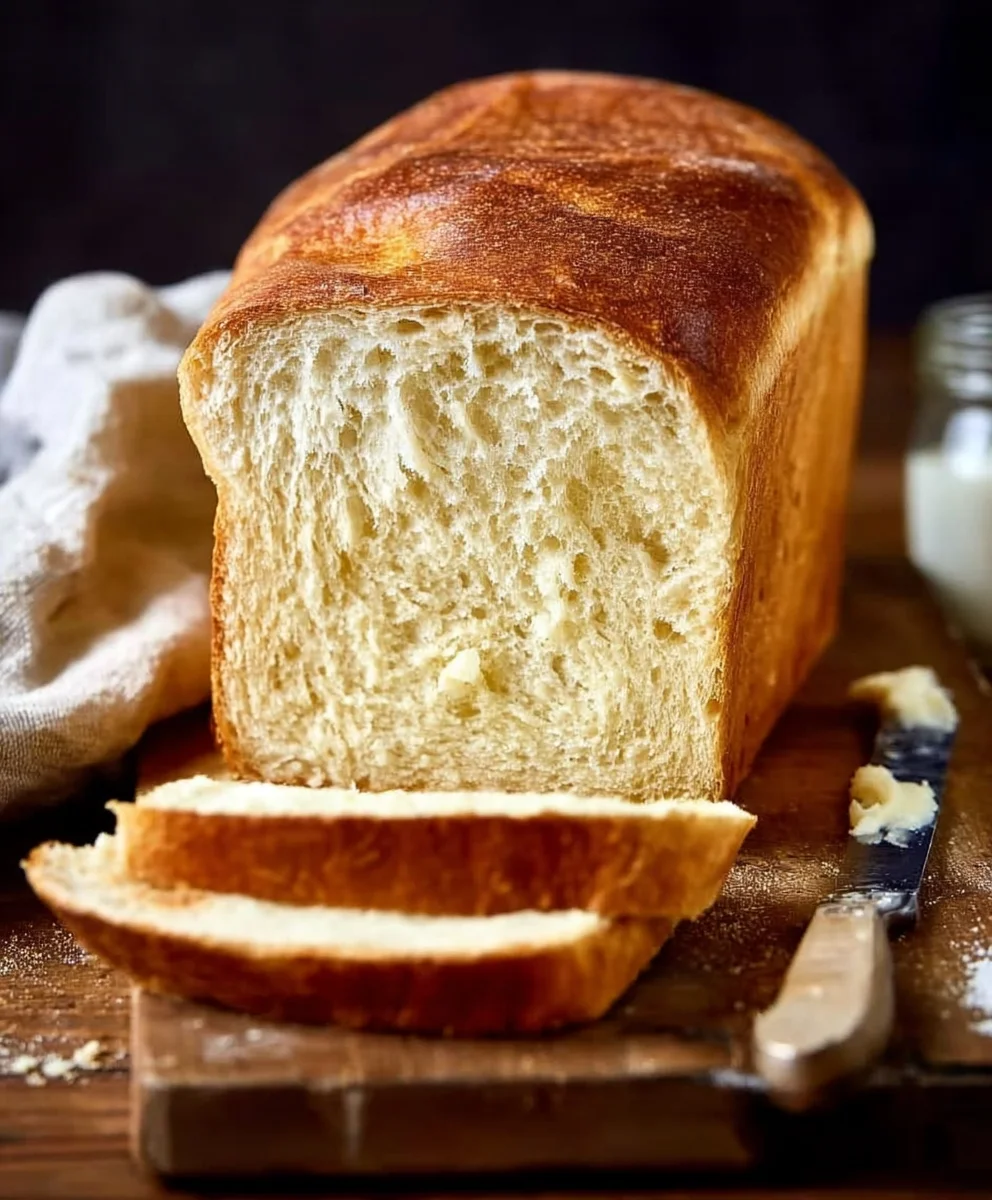
We’ve reached the end of our delightful journey into creating the perfect Buttermilk Bread Recipe! This recipe truly delivers on its promise of a tender crum extractb, a slightly tangy flavor, and a beautifully golden crust. The simplicity of the ingredients combined with the magic of buttermilk makes this loaf a true standout, perfect for everyday enjoyment or special occasions. I hope you’ve enjoyed making this Buttermilk Bread Recipe as much as I do. Its versatility is one of its greatest strengths; it’s fantastic served warm with butter, as the base for decadent French toast, or as the perfect accompaniment to soups and stews. Don’t be afraid to get creative with it!
For serving, consider a generous smear of salted butter, a dollop of homemade jam, or even a drizzle of honey. This Buttermilk Bread Recipe also shines when toasted and topped with avocado or eggs. If you’re looking to explore variations, try adding a handful of fresh herbs like rosemary or chives to the dough, or even a sprinkle of cheese for a savory twist. For a sweeter note, a touch of cinnamon and a little extra sugar can transform it into a delightful breakfast bread.
I encourage you to bake this Buttermilk Bread Recipe often and make it your own. Experiment with different additions and discover your favorite ways to enjoy this classic loaf. Happy baking!
Frequently Asked Questions:
What makes buttermilk so special for bread?
Buttermilk is acidic. When it reacts with the leavening agents in the dough (like baking soda or yeast), it creates a more active rise and contributes to a softer, more rum extractder crumb. The acidity also adds a subtle, pleasant tang to the bread’s flavor that is characteristic of this Buttermilk Bread Recipe.
Can I use regular milk instead of buttermilk?
Yes, you can create a buttermilk substitute by adding one tablespoon of lemon juice or white vinegar to one cup of regular milk and letting it sit for 5-10 minutes. While it won’t provide the exact same nuanced flavor or tenderness as real buttermilk, it will get you close for this Buttermilk Bread Recipe.
How long does this Buttermilk Bread Recipe stay fresh?
Stored properly in an airtight container or bread bag at room temperature, this Buttermilk Bread Recipe will typically stay fresh for 3-4 days. For longer storage, you can slice and freeze it. To reheat, simply toast individual slices.
Easy Buttermilk Bread Recipe-Soft & Delicious Loaf
A simple and delicious recipe for soft and tender buttermilk bread, perfect for any occasion.
Ingredients
-
1 packet active dry yeast
-
1 pinch ground ginger
-
1 teaspoon granulated sugar
-
1/4 cup warm water (105F – 110F)
-
2 cups cultured buttermilk (warm, 105F – 110F)
-
1/3 cup honey
-
1 teaspoon kosher salt
-
3/4 teaspoon baking soda
-
6 cups bread flour
-
1/4 cup unsalted butter, melted and cooled
Instructions
-
Step 1
In a large mixing bowl, combine warm water, sugar, and yeast. Let sit for 5-10 minutes until foamy. -
Step 2
Add warm buttermilk, honey, and ginger to the yeast mixture. Stir to combine. -
Step 3
In a separate bowl, whisk together bread flour, salt, and baking soda. Gradually add dry ingredients to wet ingredients. -
Step 4
Mix until a shaggy dough forms, then add melted butter. Turn dough onto a floured surface and knead for 8-10 minutes until smooth and elastic. -
Step 5
Place dough in a greased bowl, cover, and let rise in a warm place for 1 to 1.5 hours, or until doubled in size. -
Step 6
Punch down dough, shape into a loaf, and place in a greased loaf pan. -
Step 7
Cover and let rise for another 30-45 minutes. Preheat oven to 375F (190C). -
Step 8
Bake for 30-35 minutes, or until golden brown and hollow sounding when tapped. -
Step 9
Remove from pan immediately and cool completely on a wire rack before slicing.
Important Information
Nutrition Facts (Per Serving)
It is important to consider this information as approximate and not to use it as definitive health advice.
Allergy Information
Please check ingredients for potential allergens and consult a health professional if in doubt.